
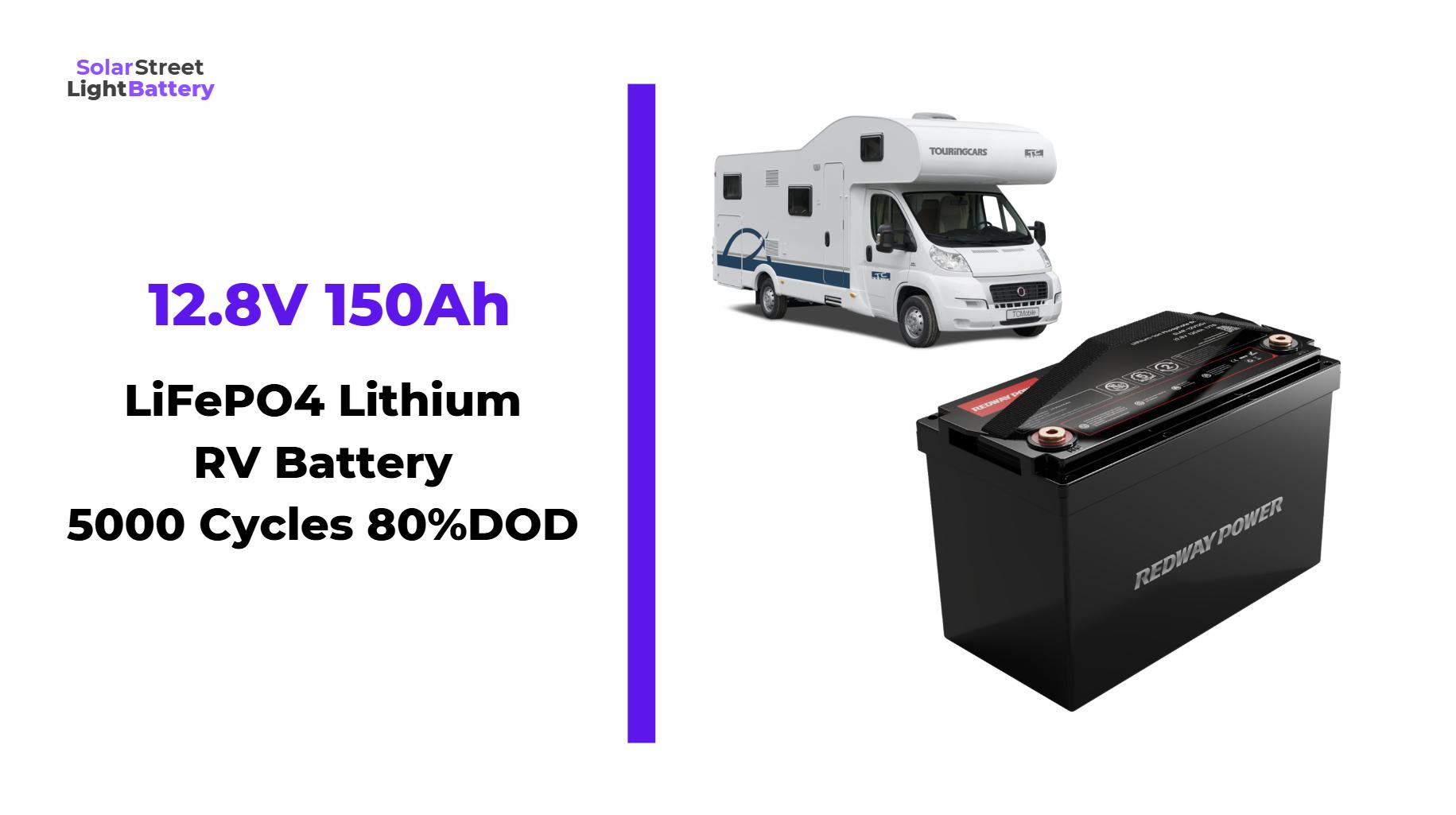
What You Should Know About LiFePO4 Batteries
LiFePO4 (Lithium Iron Phosphate) batteries are a safer, longer-lasting type of lithium-ion battery recognized for their superior thermal stability, high energy density, and long cycle life. Ideal for applications such as portable power stations and electric vehicles, they offer fast charging, excellent high-temperature performance, and require minimal maintenance. However, they come with higher upfront costs and limitations in energy density and discharge rates compared to other lithium-ion chemistries. Best practices include avoiding deep discharges to prolong lifespan.
How Do LiFePO4 Batteries Ensure Safety Compared to Other Lithium-Ion Batteries?
LiFePO4 batteries use an iron phosphate cathode which is inherently more stable and less prone to thermal runaway or combustion. This greatly reduces the risk of fires, making them one of the safest lithium-ion battery chemistries available for various applications.
What Is the Expected Longevity of LiFePO4 Batteries?
LiFePO4 batteries have an exceptionally long cycle life, often providing thousands of charge-discharge cycles without significant capacity loss. This makes them highly durable and cost-effective over many years of operation in applications requiring frequent cycling.
How Does the Energy Density of LiFePO4 Batteries Compare?
These batteries store a high amount of energy relative to their weight and size, offering a good balance for portable and stationary applications. Although their energy density is slightly lower than some other lithium-ion types, their safety and longevity often outweigh this drawback.
Why Are LiFePO4 Batteries Considered Fast Charging?
LiFePO4 batteries support high charge rates, allowing them to reach full charge significantly faster than traditional lead-acid batteries. They maintain excellent efficiency during the charging process without damage to the battery cells.
What Maintenance Requirements Do LiFePO4 Batteries Have?
They are virtually maintenance-free, requiring little to no upkeep throughout their lifespan, which simplifies their integration in various systems and reduces operational costs.
What Are the Cost Considerations When Choosing LiFePO4 Batteries?
While offering many advantages, LiFePO4 batteries typically have a higher upfront cost compared to lead-acid and some other lithium-ion batteries due to advanced materials and manufacturing processes. However, their long cycle life and low maintenance can justify the investment.
How Should LiFePO4 Batteries Be Charged and Discharged to Maximize Lifespan?
Avoid deep discharges below 20% capacity and maintain a charge between 50% and 80% during long-term storage. Proper charging and discharging practices, often managed by a Battery Management System (BMS), are crucial for cell balancing and sustaining optimal battery health.
Which Applications Benefit Most From LiFePO4 Batteries?
These batteries excel in portable power stations, electric vehicles, and solar energy storage due to their combination of power delivery, safety, longevity, and low maintenance, making them suitable for both mobile and stationary energy needs.
How Does a Battery Management System (BMS) Support LiFePO4 Batteries?
A BMS ensures safe operation by regulating charging, discharging, and cell balancing. It prevents overcharge, over-discharge, thermal issues, and cell imbalance, thus extending battery lifespan and maintaining performance consistency.
Redway ESS Expert Views
“At Redway ESS, we are committed to delivering high-quality LiFePO4 batteries that balance safety, performance, and longevity. Our advanced battery management technologies and rigorous quality controls ensure that customers receive reliable, maintenance-free power solutions ideal for solar, electric vehicle, and portable power applications. LiFePO4 represents the future of sustainable and safe energy storage.”
Buying Tips for LiFePO4 Batteries
When choosing LiFePO4 batteries, prioritize certified products with integrated BMS for safety and durability. Evaluate your specific application’s energy and power needs, and consider upfront investment versus long-term benefits. Trust reputable suppliers like Redway ESS for quality, warranty, and expert support.
FAQs
Q1: What makes LiFePO4 batteries safer than other lithium-ion types?
A1: Their iron phosphate cathode is thermally stable, reducing fire risks.
Q2: How many cycles do LiFePO4 batteries typically last?
A2: They often endure thousands of charge-discharge cycles with minimal degradation.
Q3: Are LiFePO4 batteries maintenance-free?
A3: Yes, they require little to no maintenance over their lifespan.
Q4: Can LiFePO4 batteries charge faster than lead-acid?
A4: Yes, they support high-speed charging without damage.
Q5: Why is a Battery Management System essential for LiFePO4 batteries?
A5: It regulates safe charging, discharging, and cell balancing to extend life.