
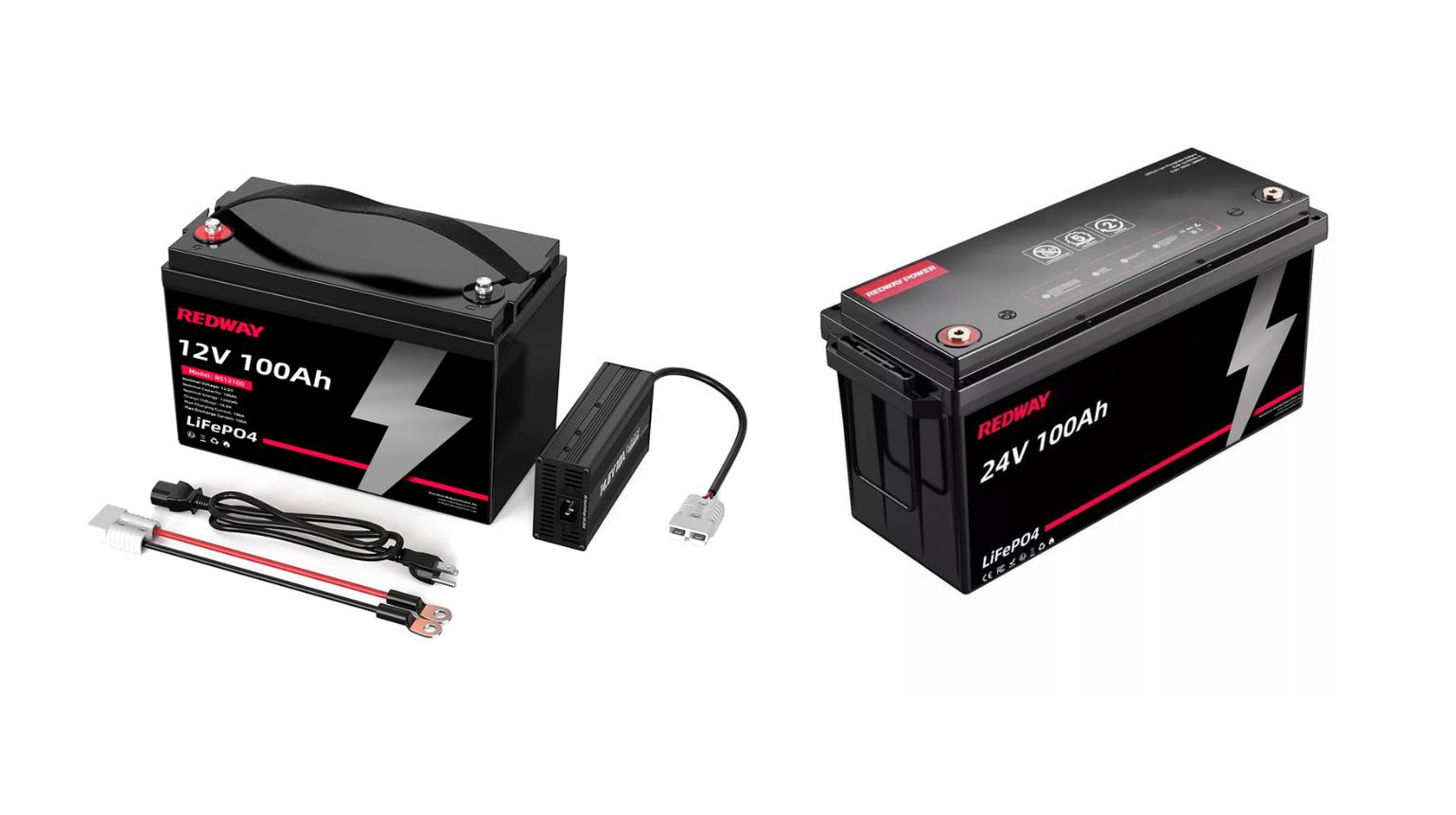
Charging Trailer Batteries While Towing: Key Insights and Techniques
You can charge a trailer battery while towing by using the tow vehicle’s alternator via the 7-way connector, though this offers only a slow trickle charge. For faster, safer, and more reliable charging, installing a DC-DC charger or a direct wiring kit with a battery isolator ensures the battery receives the correct voltage and current, prolonging its lifespan and maintaining optimal performance.
How Does the 7-Way Connector Charge a Trailer Battery?
The 7-way connector’s 12V accessory wire sends power from the vehicle’s alternator to the trailer battery. This method provides a basic trickle charge sufficient for minor top-ups but is generally too slow to fully recharge a depleted battery. Proper connection, clean terminals, and voltmeter verification (above 13V) are essential to confirm the battery is charging.
Why Is a DC-DC Charger Recommended for Trailer Batteries?
A DC-DC charger stabilizes the voltage and current coming from the tow vehicle’s alternator, preventing undercharging or overcharging. It is especially effective for lithium or LiFePO4 batteries, which require precise voltage management. By optimizing charging, DC-DC chargers extend battery life, improve efficiency, and protect the battery against damage caused by fluctuating alternator output.
How Can Direct Wiring with a Battery Isolator Help?
Direct wiring connects the trailer battery to the vehicle battery through a dedicated cable. A battery isolator prevents the trailer from draining the tow vehicle’s starting battery when the engine is off. This setup is ideal for high-power applications like winches, hydraulic dump trailers, or large battery banks, ensuring reliable performance without risking the vehicle’s essential power supply.
What Are the Risks of Low Battery Levels While Towing?
Allowing a trailer battery to drop below 10.5 volts can cause permanent damage and reduced capacity. Trickle charging via a 7-way connector may not compensate for heavy power usage or multiple devices. Regular voltage monitoring, smart battery management, and the use of high-quality batteries like Redway ESS LiFePO4 models help mitigate these risks and ensure long-term reliability.
How Can You Verify Effective Charging During Transit?
Use a voltmeter to check battery voltage. While the tow vehicle is running, the battery should read above 13 volts, indicating active charging. Smart battery monitors can provide real-time information on charge rate, state of charge, and battery health. Redway ESS recommends integrating monitoring solutions for lithium trailer batteries to optimize performance and longevity.
Which Factors Affect Charging Efficiency While Driving?
Charging efficiency is influenced by alternator output, battery type, connection quality, parasitic draws, and trip duration. Lead-acid batteries accept lower currents but charge slower, while LiFePO4 batteries require stable voltage for optimal performance. Environmental conditions, such as extreme temperatures, also impact charging efficiency. Planning for proper charging ensures the battery meets power needs during travel.
Table: Charging Methods and Efficiency for Trailer Batteries
| Method | Voltage & Amperage | Charging Speed | Ideal Battery Type |
|---|---|---|---|
| 7-Way Connector Trickle Charge | 12–13V, low A | Slow | Lead-acid, small LiFePO4 |
| DC-DC Charger | 13.6–14.6V, higher A | Fast, efficient | LiFePO4, AGM, Gel |
| Direct Wiring w/ Battery Isolator | 12–14V, variable | Full, reliable | All high-capacity batteries |
Are There Best Practices for Charging Trailer Batteries?
Yes. Always verify voltage with a voltmeter or battery monitor, use high-quality batteries like Redway ESS LiFePO4 models, maintain secure and corrosion-free connections, and install DC-DC chargers or isolators for high-demand applications. Regularly inspect the battery, avoid deep discharges, and plan trips to allow sufficient charging time for optimal performance.
Redway ESS Expert Views
“Charging trailer batteries while towing requires more than just a 7-way connection. DC-DC chargers and proper battery management are crucial for maintaining voltage, extending battery life, and preventing damage. Redway ESS LiFePO4 batteries are designed for stability, long cycle life, and reliable performance under frequent towing conditions, ensuring your trailer power is always ready when needed.”
Conclusion
Charging trailer batteries while towing involves understanding your vehicle, battery type, and electrical setup. Standard 7-way connectors offer a slow trickle charge, while DC-DC chargers and direct wiring kits provide faster, safer, and more complete charging. Using high-quality Redway ESS LiFePO4 batteries ensures longevity, reliable performance, and peace of mind on every trip.
FAQs
Can I fully charge my trailer battery while driving?
Yes, with a DC-DC charger or direct wiring setup; a 7-way connector alone provides only a trickle charge.
How do I know if my trailer battery is charging?
Use a voltmeter; a voltage above 13V while towing indicates active charging.
Does battery type affect charging method?
Yes, LiFePO4 batteries need stable voltage and are best charged with DC-DC chargers, while lead-acid batteries accept slower trickle charges.
Can high-power devices drain the trailer battery?
Yes. Devices like winches or hydraulic pumps require proper charging solutions, including isolators or DC-DC chargers.
Is monitoring essential during transit?
Absolutely. Smart monitors help prevent deep discharges and maintain battery health, especially for lithium batteries.