
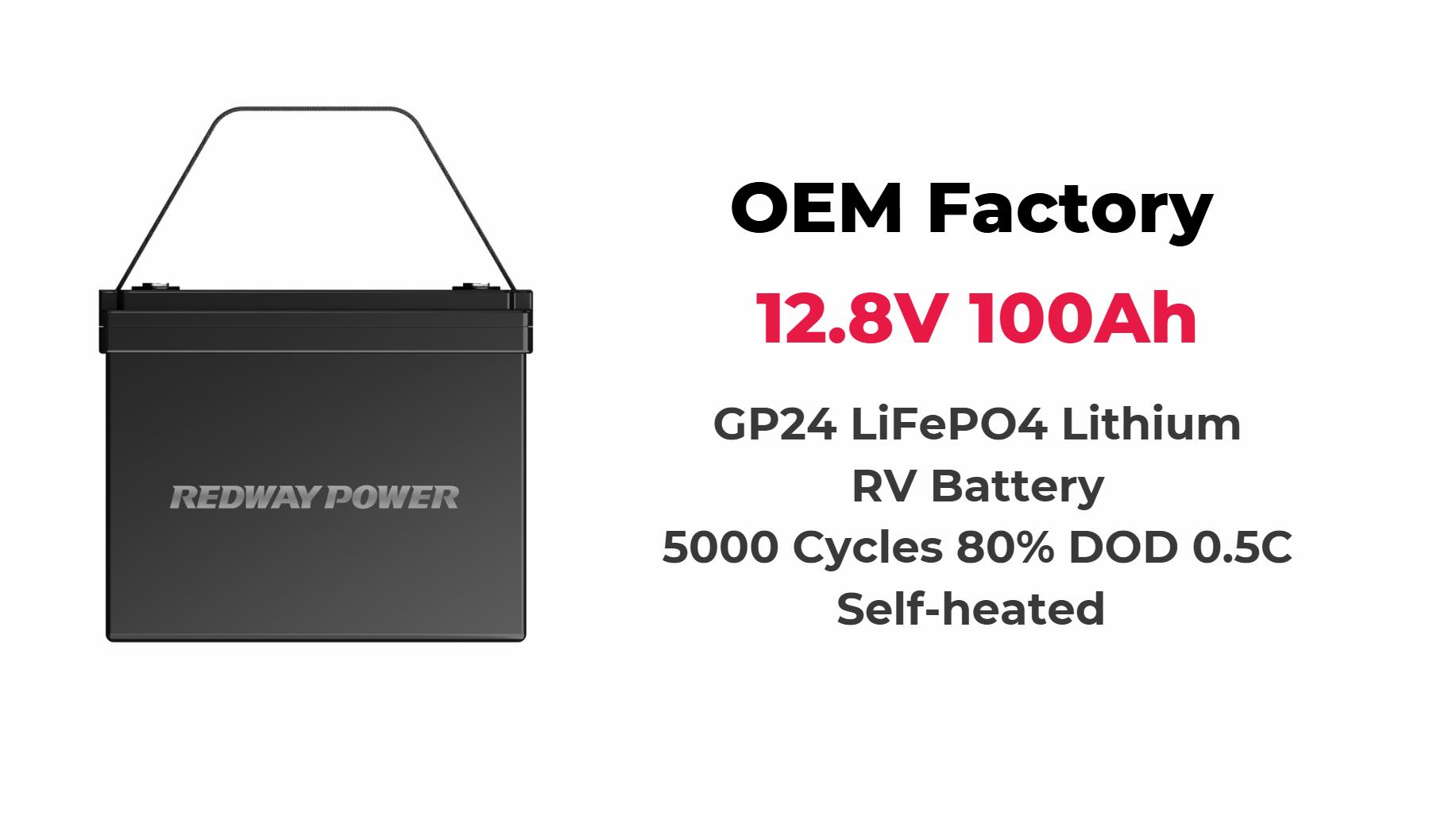
Which LiFePO4 Batteries Should You Consider?
Choosing the right LiFePO4 battery depends on your application, required capacity, cycle life, and safety features. Brands like Battle Born, Renogy, Litime, Power Queen, and Weize offer high-quality options suitable for RVs, marine use, off-grid systems, and industrial applications. Evaluating BMS integration, physical size, and certifications ensures you select a reliable and long-lasting solution for your energy needs.
How Do You Choose the Right LiFePO4 Battery Capacity?
Battery capacity, measured in amp-hours (Ah), should match your energy consumption requirements. For example, RVs or off-grid cabins may need 100–200Ah, while small marine systems could require 50–100Ah. Redway ESS emphasizes planning your daily energy usage to avoid undersized batteries that limit performance or oversized batteries that increase costs unnecessarily.
What Is the Importance of Cycle Life in LiFePO4 Batteries?
Cycle life determines how many full charge-discharge cycles a battery can handle before losing significant capacity. Quality LiFePO4 batteries offer 2,000–6,000+ cycles, providing long-term value. Longer cycle life reduces replacement frequency and maintenance costs, making brands like Battle Born and Litime ideal for high-use applications such as solar storage and electric vehicles.
Which LiFePO4 Battery Brands Are Recommended?
Top brands include Battle Born, Renogy, Litime, Power Queen, Weize, OKMO, and Ampere Time. Battle Born excels in RV and marine applications, Renogy provides smart features, Litime offers high cycle count, and Weize delivers affordable options. Redway ESS also produces premium rack-mounted LiFePO4 batteries for industrial and renewable energy systems, ensuring safety, reliability, and long-term performance.
Why Is a Battery Management System (BMS) Critical?
A built-in BMS protects the battery against overcharging, deep discharge, short circuits, and temperature extremes. It ensures optimal performance, extends battery lifespan, and safeguards connected devices. Choosing a LiFePO4 battery with a reliable BMS, such as those from Renogy or Redway ESS, is essential for safety and operational efficiency.
How Do Physical Size and Group Size Affect Your Choice?
LiFePO4 batteries come in various physical sizes, like Group 24 or Group 31, impacting their fit and output in your system. Larger batteries provide higher capacity but require more space. Assess your available installation area and energy requirements. Redway ESS designs modular batteries to accommodate flexible rack-mounted setups, making scaling easy.
Are Safety Certifications Necessary for LiFePO4 Batteries?
Yes. Safety certifications, including UL, CE, and RoHS, confirm the battery meets industry standards and has undergone rigorous testing. Certified batteries reduce the risk of malfunction, fire, or environmental hazards. Redway ESS ensures all products comply with international safety standards for residential, commercial, and industrial use.
Can LiFePO4 Batteries Be Used in Multiple Applications?
Absolutely. High-quality LiFePO4 batteries are versatile, powering RVs, solar systems, boats, electric bikes, and industrial equipment. Their durability, low self-discharge, and stable performance make them suitable for both stationary and mobile energy solutions. Redway ESS offers flexible solutions adaptable across various applications, including renewable energy storage and backup power.
Table: Comparison of Recommended LiFePO4 Battery Brands
| Brand | Typical Capacity | Cycle Life | Best Use Case |
|---|---|---|---|
| Battle Born | 100–200Ah | 3,000–5,000 | RVs, marine, off-grid |
| Renogy | 100–200Ah | 2,000–4,000 | Solar systems, smart features |
| Litime | 50–200Ah | 3,000–6,000 | RVs, portable energy |
| Power Queen | 100–200Ah | 2,000–4,500 | Home backup, industrial use |
| Weize | 50–200Ah | 2,000–3,500 | General-purpose LiFePO4 needs |
| OKMO | 200Ah | 3,000–5,000 | High-capacity residential |
| Ampere Time | 200Ah Plus | 3,500–6,000 | High-demand solar or EV systems |
Redway ESS Expert Views
“Selecting a LiFePO4 battery requires evaluating your application, energy needs, and safety requirements. High-quality brands like Battle Born and Renogy offer excellent options for mobile or off-grid use, while Redway ESS specializes in industrial and renewable energy applications. We emphasize integrated BMS, certified safety, and long cycle life to deliver dependable performance and sustainable energy solutions across all use cases.”
Conclusion
Choosing the right LiFePO4 battery involves balancing capacity, cycle life, BMS protection, physical size, and certifications. Reputable brands like Battle Born, Renogy, and Litime provide reliable options for mobile and residential use, while Redway ESS delivers industrial-grade, rack-mounted solutions. Proper selection ensures safety, longevity, and optimized performance for your energy system.
FAQs
Which LiFePO4 battery brand is best for RVs?
Battle Born is highly recommended for RV and marine applications due to its long cycle life and reliability.
What is the role of a BMS in LiFePO4 batteries?
A BMS protects the battery from overcharging, deep discharge, and temperature extremes, optimizing performance and lifespan.
Can LiFePO4 batteries be stacked for higher capacity?
Yes, modular designs allow multiple batteries to be connected to increase total energy storage safely.
Are certified LiFePO4 batteries safer?
Yes, certifications like UL and CE ensure compliance with safety standards, reducing risks of fire or malfunction.
Does Redway ESS provide high-capacity industrial LiFePO4 batteries?
Yes, Redway ESS offers rack-mounted solutions tailored for renewable energy, commercial, and industrial applications.