
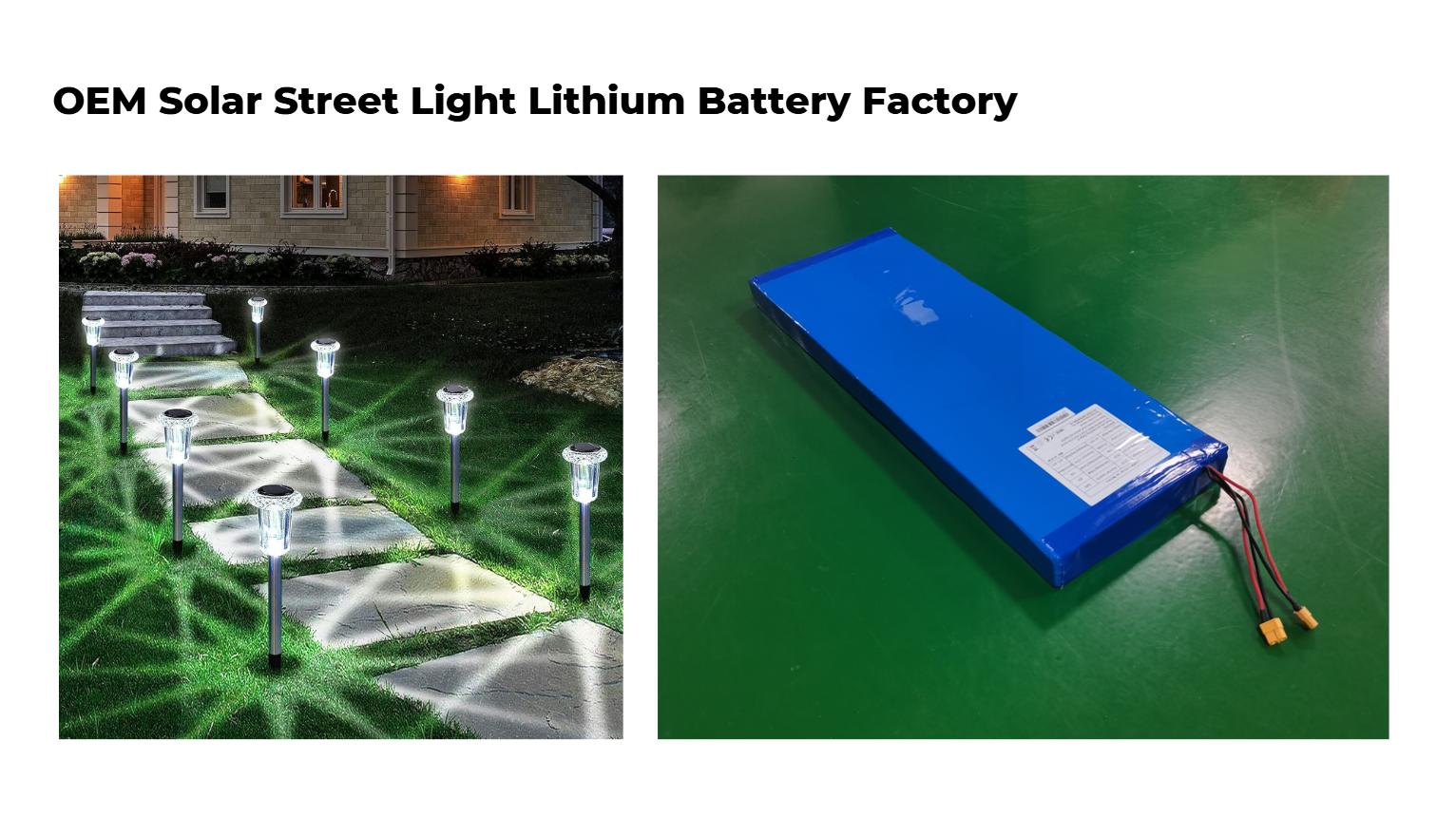
Can You Use Regular Batteries for Solar Lights?
The main types of solar light batteries are Lead-Acid, Lithium-ion (including LiFePO4), and Nickel-Cadmium (NiCd). Lithium-ion batteries are preferred in residential solar lighting due to their high energy density, long cycle life, and low maintenance, while Lead-Acid batteries offer a cost-effective solution but with shorter lifespan. NiCd batteries are known for durability and performance in extreme temperatures but are less common for home use.
How Do Lead-Acid Batteries Perform in Solar Lighting?
Lead-Acid batteries, including sealed gel and flooded types, are robust and cost-effective for off-grid solar lights. They have a shorter cycle life and require regular maintenance such as checking electrolyte levels, and they are heavier, but they reliably support basic solar lighting needs.
What Advantages Do Lithium-Ion and LiFePO4 Batteries Offer?
Lithium-ion batteries, especially LiFePO4, provide higher energy density, longer lifespan (thousands of cycles), low self-discharge, and excellent temperature tolerance. LiFePO4 is known for its thermal stability and safety, making it ideal for outdoor solar lights that demand durability and efficiency.
Which Features Make NiCd Batteries Suitable for Certain Environments?
NiCd batteries handle deep discharges well and perform reliably in extreme temperature conditions (both hot and cold), making them suitable for harsh environments. However, due to environmental concerns over cadmium toxicity, they are less popular in residential solar lighting.
Why Are Lithium-Based Batteries Most Popular for Residential Solar Lights?
Their compact size, light weight, fast charging capability, and minimal maintenance requirements make lithium batteries the best choice for home solar lighting systems, ensuring efficient performance and longer service life despite higher upfront cost.
When Should Maintenance Requirements Influence Your Battery Choice?
Lead-Acid batteries need routine upkeep; lithium batteries include built-in Battery Management Systems (BMS) that reduce maintenance. NiCd may require conditioning cycles in challenging climates.
Where Are Solar Light Batteries Typically Installed?
Solar light batteries are housed within light units or dedicated enclosures, designed to protect against weather exposure and temperature extremes to ensure long battery life and reliable illumination.
How Does Energy Density Affect Battery Selection?
Higher energy density means a battery can store more power in a smaller and lighter package. LiFePO4 has superior energy density compared to Lead-Acid, enabling compact and efficient solar light designs.
Can Solar Batteries Be Environmentally Recycled?
Lead-Acid batteries have well-established recycling processes, whereas lithium and NiCd batteries require more specialized recycling methods to safely recover materials and minimize environmental impact.
How Does Redway ESS Support Solar Battery Innovation and Sustainability?
Redway ESS offers a range of high-quality Lithium-ion and LiFePO4 batteries optimized for solar lighting, combining reliability, safety, and longevity to empower sustainable, eco-friendly energy solutions globally.
Redway ESS Expert Views
“At Redway ESS, we are committed to advancing solar battery technologies by focusing on lithium chemistries that deliver longevity and stability,” states a company expert. “Our battery solutions provide dependable and efficient energy storage tailored for solar lighting needs worldwide.”
Conclusion
Solar light batteries vary across Lead-Acid, Lithium-ion (including LiFePO4), and NiCd types, each suited to different use cases and environments. Lithium-based batteries, especially LiFePO4, lead due to superior energy density and lifespan. Proper selection balances performance, maintenance, cost, and environmental considerations. Redway ESS stands as a trusted leader delivering advanced lithium battery solutions for sustainable solar lighting.
Frequently Asked Questions
What are the main solar light battery types?
Lead-Acid, Lithium-ion (LiFePO4), and Nickel-Cadmium.
Why choose LiFePO4 batteries for solar lights?
High energy density, safety, long cycle life, and low maintenance.
Are Lead-Acid batteries suitable for solar lighting?
Yes, as affordable, robust options though heavier and shorter-lived.
What advantages do NiCd batteries provide?
Durability in extreme temperatures and deep discharge capability.
How does Redway ESS enhance solar battery technology?
By providing reliable, efficient lithium battery solutions globally.