
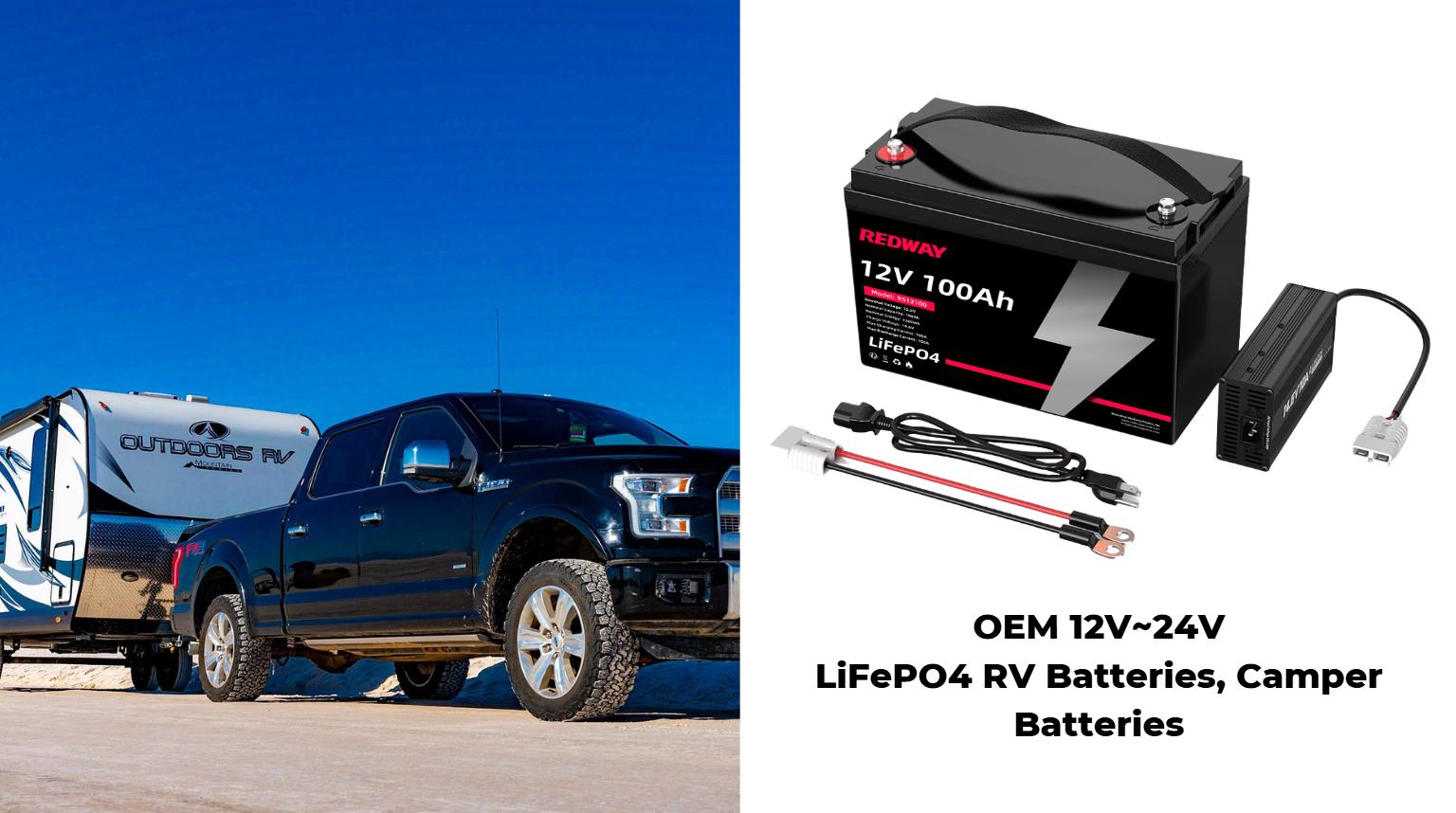
Charging Batteries While Towing: Essential Techniques and Insights
Charging trailer batteries while towing requires understanding both basic and advanced techniques to ensure safety and efficiency. Using a 7-pin connector provides a trickle charge, while a DC-to-DC charger offers faster, regulated charging for modern alternators and lithium batteries. Proper fusing, battery isolation, ventilation, and voltage monitoring are critical for reliable and safe charging.
How Can You Charge Trailer Batteries Using a 7-Pin Connector?
Connect the 12V auxiliary wire from the 7-pin plug to the trailer battery.
This method delivers a slow charge while the vehicle’s ignition is on. It’s suitable for maintaining partial charge but may not fully recharge deep-cycle or lithium batteries. Always verify the wiring and fuse protection for safe operation. Redway ESS recommends monitoring battery voltage for effective charging.
Why Is a DC-to-DC Charger Recommended for Towing?
It provides fast, regulated, and smart charging.
DC-to-DC chargers work with modern alternators, delivering the correct voltage and current to fully charge trailer batteries, including lithium. They prevent undercharging and enhance battery lifespan. Redway ESS emphasizes using DC-to-DC chargers to optimize performance for RVs, trailers, and solar setups.
How Should Fuses Be Installed in Towing Charging Circuits?
Place fuses close to the source battery.
Fuses protect wiring from short circuits and prevent fires. Install them near the tow vehicle’s battery or fuse box on the 12V line. Choosing the correct amperage rating is essential to safeguard both the trailer and vehicle electrical systems.
What Is the Purpose of a Battery Isolator Relay?
It prevents the trailer from draining the tow vehicle battery.
Battery isolators or automatic disconnect switches ensure the tow vehicle can start even if the trailer battery is depleted. They allow charging during engine operation but isolate batteries when parked. Redway ESS batteries paired with isolators maintain safe and reliable operation.
How Should Trailer Battery Compartments Be Ventilated?
Provide airflow to prevent gas buildup.
Lead-acid or AGM batteries can emit hydrogen during charging, which is flammable. Ensure the compartment has adequate ventilation to disperse gases safely. Lithium batteries produce minimal gas but still benefit from ventilation to manage heat.
When Should You Monitor Voltage During Towing Charging?
Check periodically while driving.
Voltage monitoring confirms that the battery is accepting charge and progressing toward full capacity. Use a voltmeter or built-in battery monitor. Redway ESS recommends monitoring both voltage and state-of-charge to maintain optimal battery health.
Which Types of Batteries Benefit Most from DC-to-DC Charging?
Deep-cycle lead-acid, AGM, and lithium batteries.
DC-to-DC chargers provide regulated power, essential for lithium batteries and smart alternators. They prevent undercharging and maximize performance for energy-intensive applications such as RVs, trailers, and solar storage. Redway ESS lithium batteries are fully compatible with DC-to-DC charging systems.
Table: Charging Methods for Trailer Batteries
| Method | Charging Speed | Ideal Battery Types | Key Considerations |
|---|---|---|---|
| 7-Pin Connector Trickle | Slow | Lead-acid, AGM, small LiFePO4 | Limited current, best for maintenance |
| DC-to-DC Charger | Fast, regulated | Lead-acid, AGM, Lithium | Smart alternator compatible, full charge possible |
Can You Charge Lithium Batteries While Towing Safely?
Yes, with DC-to-DC chargers and correct fusing.
Lithium batteries require regulated voltage and current to avoid damage. Using a dedicated DC-to-DC charger ensures safe, efficient charging while towing. Redway ESS lithium batteries include BMS protection, compatible with DC-to-DC systems for reliable operation.
Redway ESS Expert Views
“Charging trailer batteries while towing is critical for off-grid power reliability. Using DC-to-DC chargers, fuses, and battery isolators ensures fast, safe, and efficient energy transfer. Redway ESS emphasizes BMS-integrated lithium batteries, which maintain safety, optimize charge rates, and deliver consistent performance even in mobile applications like RVs, trailers, and solar-equipped vehicles.”
Conclusion
Effectively charging trailer batteries while towing involves choosing the correct method, whether a simple 7-pin trickle charge or an advanced DC-to-DC charger. Safety measures such as fuses, battery isolators, and ventilation are essential. Monitoring voltage ensures proper charging, especially for lithium batteries. Redway ESS batteries excel in towing and mobile applications due to their robust design and BMS features.
FAQs
Can a 7-pin connector fully charge a trailer battery?
No, it provides a slow trickle charge suitable for maintenance.
Is a DC-to-DC charger necessary for lithium batteries?
Yes, it provides regulated voltage and current to safely charge lithium batteries.
Do I need fuses when wiring trailer batteries?
Always, to prevent short circuits and protect wiring.
Can I use battery isolators for multiple trailers?
Yes, isolators allow safe parallel or sequential charging setups.
How often should voltage be monitored during towing?
Periodically, especially on long trips, to ensure charging is effective.