
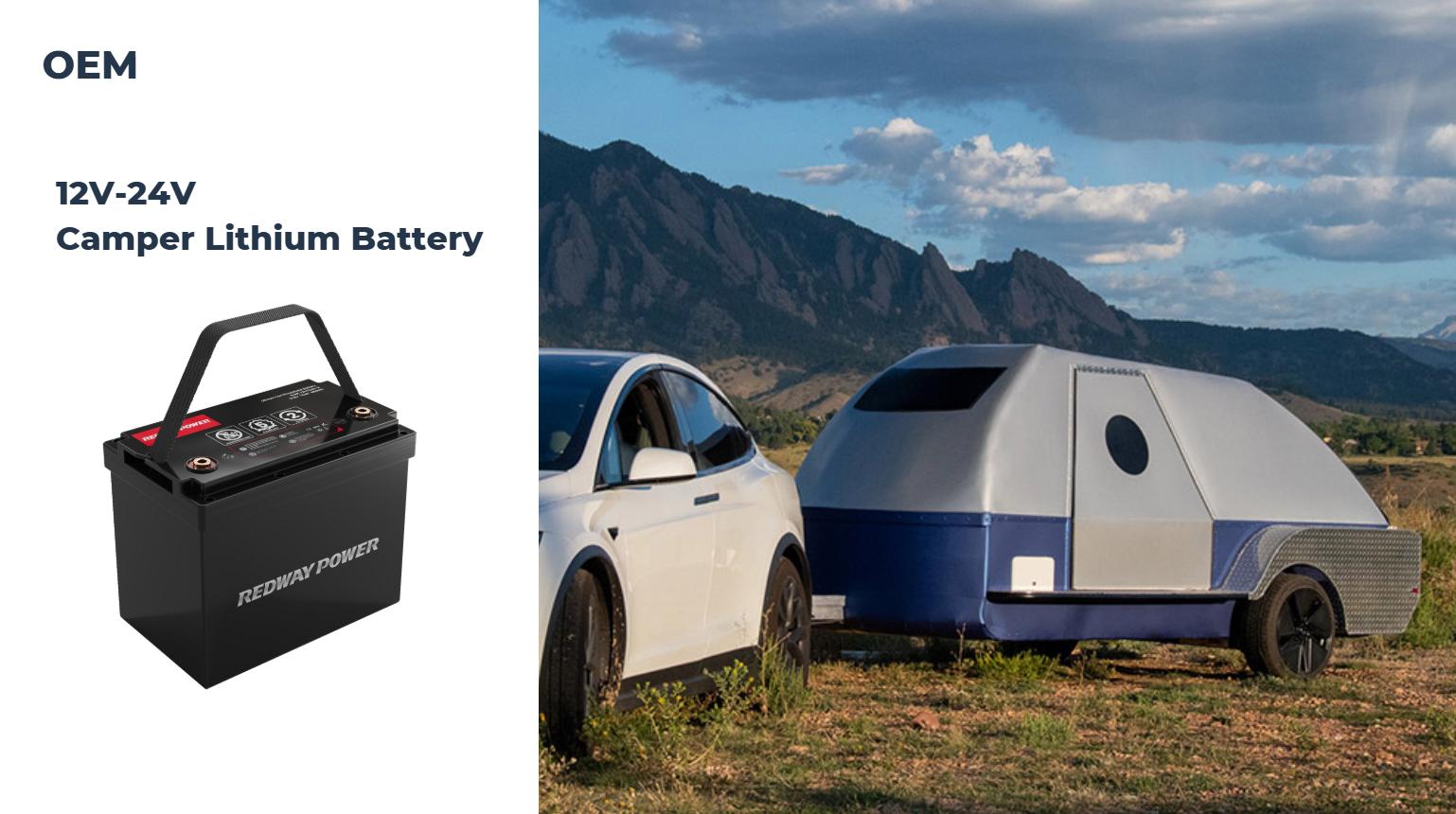
Charging Trailer Batteries While Towing: Essential Insights and Techniques
Charging trailer batteries while towing uses your vehicle’s alternator via the 7-pin connector to supply power to the trailer battery. A standard connection provides a slow trickle charge, while a DC-to-DC charger ensures faster and more reliable charging. Monitoring voltage above 13V confirms the battery is charging safely during travel. Proper connections and battery management are essential for optimal performance.
How Does a Trailer Battery Charge While Towing?
When your tow vehicle runs, the alternator generates electricity, which travels through the auxiliary wire in the 7-pin connector to the trailer battery. This setup allows the battery to receive a trickle charge. For longer trips or depleted batteries, a DC-to-DC charger enhances voltage and amperage, providing a full, efficient charge during towing.
What Role Does the 7-Pin Connector Play in Charging?
The 7-pin connector links your tow vehicle’s electrical system to the trailer. Its auxiliary or “trickle charge” wire delivers 12V power to the trailer battery. A secure, clean connection ensures proper charging. Loose connections or corroded pins can reduce current flow, making voltage monitoring essential for reliable battery performance while on the road.
Why Should You Use a DC-to-DC Charger?
A DC-to-DC charger provides higher current and voltage than a standard 7-pin connection, allowing rapid and safe charging of the trailer battery. This is especially important for lithium or LiFePO4 batteries, which require precise voltage regulation. Using a DC-to-DC charger prevents undercharging and extends battery lifespan, ensuring Redway ESS lithium batteries perform optimally.
How Can You Verify That the Trailer Battery Is Charging?
Use a voltmeter to check the battery voltage. While towing, the voltage should rise above 13V, indicating power flow from the tow vehicle. For LiFePO4 or other advanced batteries, monitoring voltage and amperage ensures proper charging. Redway ESS recommends integrating voltage sensors or smart battery monitors for real-time feedback.
What Are the Limitations of Charging While Driving?
Charging via a 7-pin connector provides a slow trickle charge, often insufficient to fully replenish a depleted battery on short trips. High parasitic draws from devices like CO alarms or interior lights can reduce net charging. Battery type, capacity, and alternator output all influence effectiveness, so proper planning is essential to maintain trailer battery health.
How Does Battery Health Affect Charging Efficiency?
A healthy battery accepts and stores charge efficiently. Batteries regularly dropping below 10.5V may suffer permanent damage and reduced capacity. Temperature extremes, age, and previous deep discharges affect charge acceptance. Redway ESS emphasizes using high-quality LiFePO4 batteries for consistent voltage retention and extended lifecycle, even under frequent towing conditions.
Can Multiple Batteries Be Charged Simultaneously While Towing?
Yes, multiple trailer batteries can be charged in parallel, provided the wiring supports sufficient amperage. Proper fusing and a DC-to-DC charger with split outputs prevent overloading the system. Redway ESS modular lithium solutions are ideal for multi-battery setups, offering scalable energy storage and balanced charging across all units.
Table: Charging Options for Trailer Batteries While Towing
| Method | Voltage & Amperage | Charging Speed | Suitable Battery Type |
|---|---|---|---|
| Standard 7-Pin Trickle | 12–13V, low A | Slow | Lead-acid, small LiFePO4 |
| DC-to-DC Charger | 13.6–14.6V, higher A | Fast & full charge | LiFePO4, AGM, Gel |
| Smart Battery Monitor | Varies | Monitoring only | All types |
Redway ESS Expert Views
“Charging a trailer battery while towing requires understanding both the vehicle and battery limitations. Standard 7-pin connections provide minimal trickle charge, but integrating a DC-to-DC charger ensures efficient voltage and current delivery. Using high-quality LiFePO4 batteries, like those from Redway ESS, guarantees stable performance, long cycle life, and reliable power supply for trailers on long journeys.”
Conclusion
Effectively charging trailer batteries while towing requires proper connections, monitoring, and sometimes a DC-to-DC charger. Standard 7-pin connections are sufficient for maintenance but not full charging. Choosing high-quality batteries, such as Redway ESS LiFePO4 models, ensures longer life, safer operation, and reliable performance, especially during extended trips or off-grid applications.
FAQs
Can I fully charge a trailer battery while driving?
Yes, but only with a DC-to-DC charger; a standard 7-pin connector provides slow trickle charging.
How do I check if my trailer battery is charging?
Use a voltmeter; a voltage above 13V while towing indicates the battery is receiving power.
Does battery type affect charging while towing?
Yes, LiFePO4 batteries need precise voltage regulation, while lead-acid accepts lower currents but charges slower.
Can parasitic draws prevent charging?
Yes, devices like alarms or lights can reduce net charge. Turn off unnecessary loads to improve charging efficiency.
Is a DC-to-DC charger worth the investment?
Absolutely. It ensures faster, safer, and complete charging, extending battery life and performance.