
Comparing LiFePO4 and Lithium-Ion Batteries: Performance and Reliability
LiFePO4 and lithium-ion batteries differ in performance, safety, and lifespan. LiFePO4 batteries offer longer cycle life (3,000–10,000 cycles), enhanced thermal stability, and eco-friendliness, making them ideal for stationary energy storage and solar applications. Lithium-ion batteries provide higher energy density and lighter weight, ideal for EVs, drones, and portable electronics where compactness and performance are crucial.
How Does Cycle Life Compare Between LiFePO4 and Lithium-Ion Batteries?
LiFePO4 batteries last significantly longer, with 3,000–10,000 cycles, versus 300–1,500 cycles for conventional lithium-ion batteries. Longer cycle life reduces replacement frequency, maintenance costs, and downtime. Redway ESS emphasizes that LiFePO4’s longevity makes it ideal for solar storage, backup systems, and stationary power where long-term reliability is a priority.
What Are the Differences in Energy Density?
Lithium-ion batteries have higher energy density, storing more energy per kilogram, which is critical for portable devices, EVs, and drones. LiFePO4 batteries have lower energy density but provide safer, more stable energy for stationary applications. Redway ESS designs its battery packs to balance density and safety for industrial and residential systems.
Which Battery Type Offers Better Thermal Stability?
LiFePO4 batteries operate safely across a wide range of temperatures (-20°C to 60°C) without significant degradation. Conventional lithium-ion batteries are more sensitive to temperature extremes and often require thermal management systems. This stability reduces risk of overheating and thermal runaway.
Why Are LiFePO4 Batteries Considered Safer?
LiFePO4 batteries use iron phosphate cathodes, reducing the likelihood of thermal runaway, explosions, and fire. They are inherently safer than lithium-ion chemistries containing cobalt or nickel. Redway ESS highlights that these safety advantages make LiFePO4 ideal for home ESS, telecom, and industrial backup applications.
How Do LiFePO4 Batteries Impact Environmental Sustainability?
LiFePO4 batteries contain no cobalt or nickel, which are environmentally damaging and ethically problematic. Their long lifespan reduces waste and replacement frequency, and their stable chemistry allows safe recycling. Redway ESS promotes these batteries for eco-conscious solar lighting and stationary energy storage projects.
What Applications Suit LiFePO4 Batteries?
LiFePO4 batteries excel in:
- Solar energy storage
- Home backup systems
- Trolling motors and marine applications
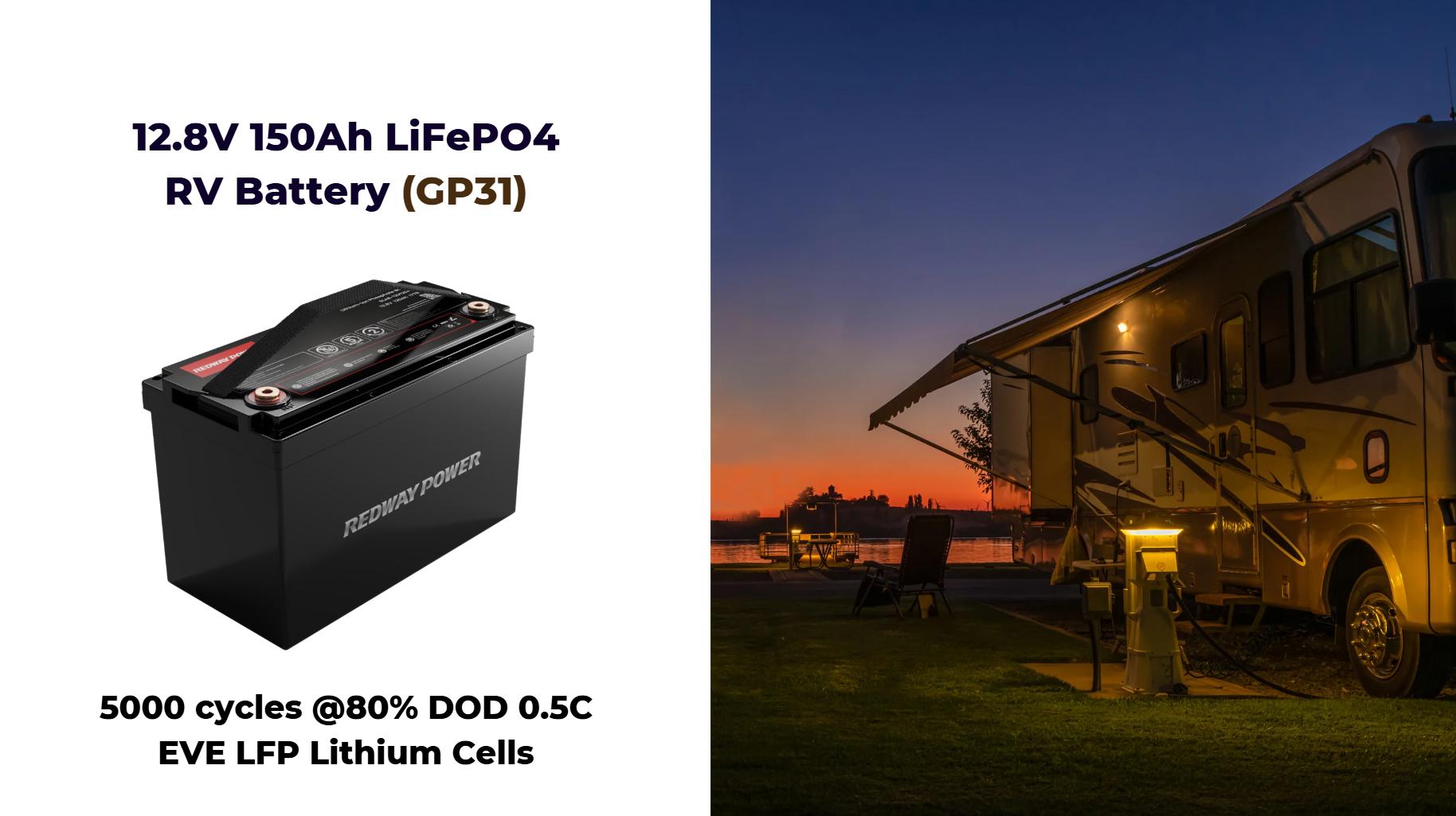
- RVs and stationary power systems
Their long life, safety, and stability make them ideal for these use cases, while Redway ESS provides modular, scalable solutions for these applications.
What Applications Suit Lithium-Ion Batteries?
Lithium-ion batteries are ideal for:
- Electric vehicles (EVs)
- Smartphones, laptops, and drones
- Power tools and other portable electronics
High energy density and light weight enable long runtime and performance in compact designs. Redway ESS also integrates lithium-ion packs for mobility and high-performance systems where space is critical.
Table: Key Comparison Between LiFePO4 and Lithium-Ion
| Feature | LiFePO4 | Lithium-Ion (NMC/NCA) |
|---|---|---|
| Cycle Life | 3,000–10,000 cycles | 300–1,500 cycles |
| Energy Density | Lower (90–120 Wh/kg) | Higher (150–250 Wh/kg) |
| Operating Temp | -20°C to 60°C | 0°C to 45°C |
| Safety | High, low risk of thermal run | Moderate, requires management |
| Materials | Iron phosphate, eco-friendly | Cobalt, nickel, toxic |
| Ideal Applications | Solar, backup, stationary | EVs, drones, portable devices |
Can LiFePO4 Batteries Handle High Power Output?
Yes. LiFePO4 batteries provide stable voltage under high loads and maintain performance throughout thousands of cycles. Their consistent power output supports solar inverters, UPS systems, and industrial equipment efficiently. Redway ESS designs LiFePO4 modules to meet high discharge demands without compromising safety or lifespan.
Redway ESS Expert Views
“LiFePO4 and lithium-ion batteries serve different needs: LiFePO4 excels in stationary, high-reliability applications, while lithium-ion suits portable and mobility-focused systems. At Redway ESS, we prioritize safety, modularity, and lifecycle performance, ensuring our LiFePO4 packs deliver dependable energy storage solutions for solar lighting, backup systems, and industrial applications.”
Conclusion
LiFePO4 and lithium-ion batteries each have unique advantages. LiFePO4 offers long cycle life, safety, environmental benefits, and stable performance for stationary and renewable energy storage. Lithium-ion batteries provide higher energy density and compact design for EVs and portable electronics. Choosing the right chemistry depends on application, safety priorities, and performance requirements, with Redway ESS providing optimized solutions for both.
FAQs
What is the main advantage of LiFePO4 over lithium-ion?
Longer cycle life, higher thermal stability, and eco-friendly materials.
Are LiFePO4 batteries suitable for EVs?
They are safe and durable but have lower energy density than lithium-ion, making them less ideal for space-sensitive EVs.
Can lithium-ion batteries be used for home energy storage?
Yes, but they require thermal management and have shorter lifespans compared to LiFePO4.
How long do LiFePO4 batteries last?
Typically 3,000–10,000 cycles, depending on usage and depth of discharge.
Does Redway ESS manufacture both battery types?
Yes, Redway ESS provides modular LiFePO4 and lithium-ion packs for residential, industrial, and solar applications.