
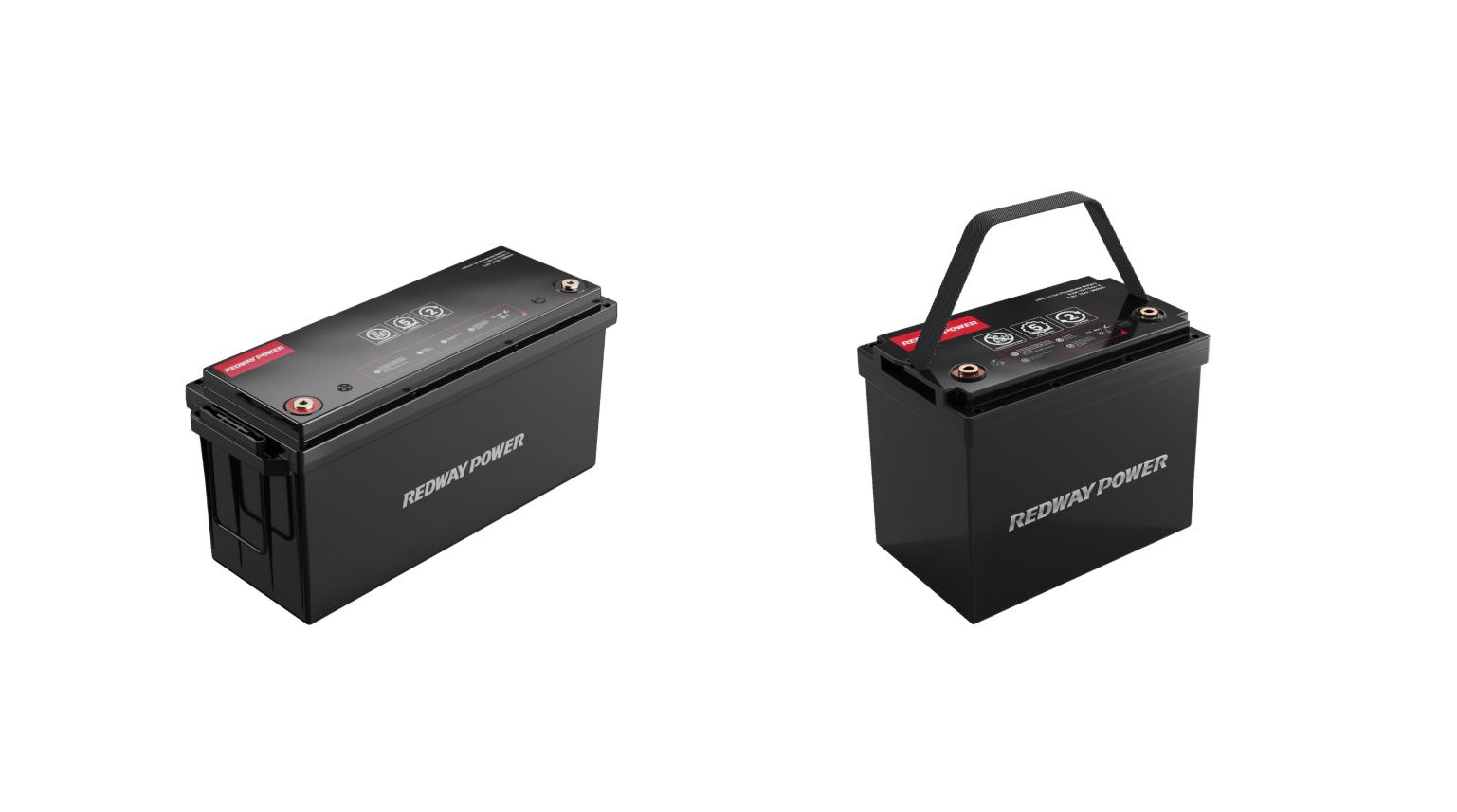
Exploring LiFePO4 Battery Technologies: A Comprehensive Overview
LiFePO4 batteries operate on the movement of lithium ions between anode and cathode through an electrolyte, offering superior safety, long cycle life, and thermal stability. Their advanced construction and battery management systems make them ideal for reliable, eco-friendly energy storage in diverse applications.
How Does a LiFePO4 Battery Work?
A LiFePO4 battery works by shuttling lithium ions between the lithium iron phosphate cathode and graphite anode through a lithium salt electrolyte during charge and discharge cycles. Charging moves lithium ions to the anode and stores energy; discharging reverses this, releasing energy. Electrons flow externally to balance charge, creating usable electrical power.
This electrochemical process allows high efficiency and recyclability.
What Are the Main Components of LiFePO4 Batteries?
LiFePO4 batteries consist of four essential parts:
- Cathode: made from lithium iron phosphate, providing stability and safety.
- Anode: typically graphite or carbon-based material where lithium ions intercalate during charging.
- Electrolyte: a lithium salt dissolved in an organic solvent that facilitates ion transfer.
- Separator: a thin porous membrane preventing short circuits while allowing lithium ions to pass.
These components work cohesively for safe, long-lasting performance.
Why Are LiFePO4 Batteries Considered Safer?
LiFePO4 chemistry offers high thermal and chemical stability, significantly reducing risks like thermal runaway and fires common in other lithium-ion types. The cathode material is stable at high temperatures and resistant to oxidation, enhancing overall battery safety in demanding environments.
This makes them suitable for electric vehicles and stationary energy storage.
How Long Is the Cycle Life of LiFePO4 Batteries?
LiFePO4 batteries typically endure between 3,000 to over 5,000 charge-discharge cycles, considerably longer than traditional lead-acid or other lithium-ion batteries. This extended lifespan translates into lower replacement frequency and better return on investment.
What Temperature Range Can LiFePO4 Batteries Operate In?
These batteries perform reliably across a wide thermal range, often from -4°F (-20°C) to 140°F (60°C) and beyond, making them versatile in various climates and conditions. Their thermal stability reduces the need for extensive cooling or heating systems.
Which Applications Benefit Most from LiFePO4 Technology?
- Electric Vehicles (EVs): Used by leading brands for safer, durable battery packs.
- Solar Power Systems: Provide reliable energy storage with high cycle life.
- Smart Grids & IoT: Support dependable energy management and distributed power.
- Marine, RV, Off-Grid: Offer lightweight, maintenance-free power solutions.
These diverse fields take advantage of LiFePO4’s excellent balance of performance and safety.
How Does the Battery Management System (BMS) Enhance LiFePO4 Performance?
A BMS monitors cell voltages, temperatures, and current, preventing overcharge, over-discharge, and thermal events. It balances cell charges to maximize battery life and ensures safe operation. These systems improve reliability and protect the battery investment.
What Are the Environmental Advantages of LiFePO4 Batteries?
LiFePO4 batteries avoid toxic heavy metals such as cobalt and nickel, which are common in other chemistries. Their components are non-toxic, environmentally friendly, and more easily recyclable, aligning with growing regulations and global sustainability priorities.
How Does LiFePO4’s Energy Density Compare to Other Lithium Chemistries?
LiFePO4 batteries have a lower energy density compared to lithium nickel manganese cobalt oxide (NMC) or lithium cobalt oxide (LCO) batteries. While this means larger or heavier batteries for equivalent energy, the trade-off is longer lifespan, better safety, and thermal stability.
Why Should You Consider Redway ESS for LiFePO4 Battery Solutions?
Redway ESS specializes in high-quality rack-mounted LiFePO4 batteries tailored for solar lighting and energy storage. Their innovative design includes robust BMS and optimized thermal management, ensuring reliable power and eco-friendly operation. Redway ESS stands as a trusted partner in sustainable energy solutions worldwide.
Redway ESS Expert Views
Redway ESS integrates cutting-edge LiFePO4 technology to deliver batteries that redefine safety and longevity. Our dedication to quality engineering and sustainable materials supports communities with dependable solar lighting and energy storage solutions. Choosing Redway ESS means investing in future-proof, environmentally responsible power systems that excel under diverse conditions,” explains a Redway ESS senior engineer.
What Are Some Limitations of LiFePO4 Batteries?
Despite many advantages, LiFePO4 batteries have lower energy density, necessitating larger battery packs for high energy demands. Initial costs may be higher than traditional types but offset by their longer service life and safety. Proper BMS integration is crucial for optimal performance.
How Is LiFePO4 Battery Technology Evolving?
Advancements focus on enhancing energy density, reducing costs, improving BMS architectures, and developing flexible form factors like pouch cells. Research targets expanded temperature tolerance and faster charging while maintaining safety and environmental benefits.
Lithium Iron Phosphate Battery Components and Working Principle Table
| Component | Function | Material Example |
|---|---|---|
| Cathode | Hosts lithium ions during discharge | Lithium Iron Phosphate (LiFePO4) |
| Anode | Stores lithium ions during charging | Graphite or carbon-based |
| Electrolyte | Medium for lithium ion transfer | Lithium salt in organic solvent |
| Separator | Prevents internal short circuit | Porous polymer membrane |
Conclusion
LiFePO4 battery technology offers unmatched safety, long cycle life, and environmental benefits essential for modern energy solutions. Understanding their components, working principles, and applications helps users select the right battery for their needs. Brands like Redway ESS exemplify innovation and reliability in this evolving field, making LiFePO4 batteries a future-proof choice in energy storage.
Frequently Asked Questions
Are LiFePO4 batteries safer than other lithium-ion types?
Yes, due to their stable chemistry, they resist thermal runaway and overheating, making them safer.
What is the typical lifespan of a LiFePO4 battery?
They last between 3,000 and 5,000+ charge cycles, significantly longer than many alternatives.
Can LiFePO4 batteries be used in extreme temperatures?
Yes, they operate effectively from about -20°C to 60°C, suitable for most environments.
What role does the BMS play in LiFePO4 batteries?
It manages charging, balances cells, monitors temperature, and ensures safe operation.
Why choose Redway ESS LiFePO4 batteries?
Redway ESS provides durable, eco-friendly, and advanced lithium phosphate batteries optimized for sustainable energy uses.