
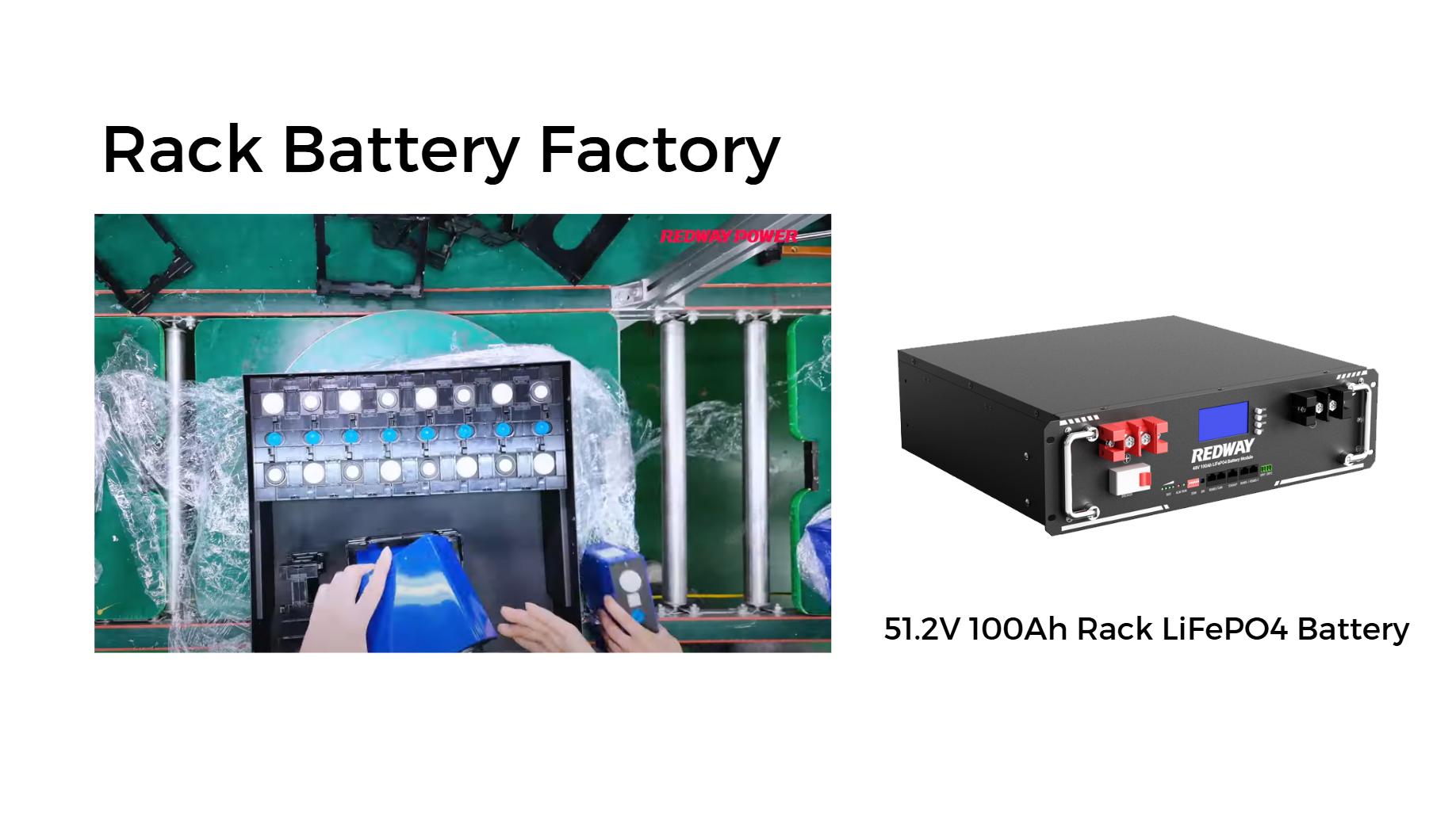
How Are LiFePO4 Battery Factories Advancing Sustainable Manufacturing?
LiFePO4 battery factories are redefining energy storage production with eco-friendly processes, renewable energy integration, and advanced recycling strategies. By using non-toxic materials, solvent-free electrode production, and circular economy practices, these factories minimize carbon emissions and environmental impact while delivering high-performance, long-lasting batteries for automotive, industrial, and recreational applications.
How Do LiFePO4 Factories Reduce Carbon Footprints?
LiFePO4 manufacturers, including Redway ESS, integrate renewable energy sources such as solar and wind into their production lines to cut carbon emissions. Advanced manufacturing techniques like closed-loop water systems, waste heat recovery, and local raw material sourcing significantly reduce energy consumption and CO2 output, often achieving up to 40% lower emissions than conventional battery plants.
On-site solar installations can cover 60–80% of factory energy demands. For example, a 10 GWh/year LiFePO4 plant can offset 12,000 tons of CO2 annually by combining solar power with energy-efficient HVAC systems. Waste heat from production is reused to warm facilities, reducing natural gas consumption. Carbon capture technologies further neutralize residual emissions from auxiliary processes.
| Initiative | Emission Reduction | Implementation Cost |
|---|---|---|
| Solar Microgrids | 35–45% | $$$ |
| Closed-Loop Water Systems | 15% | $$ |
| Local Material Sourcing | 8–12% | $ |
Which Recycling Methods Do LiFePO4 Suppliers Use?
Leading factories use hydrometallurgical recycling to recover up to 95% of lithium, iron, and other metals from spent batteries. Automated sorting and solvent extraction yield high-purity metals for reuse, reducing the need for mining and landfill disposal. AI-driven disassembly robots enhance processing speed and accuracy, while biodegradable solvents cut chemical waste by 70%. Regional collection hubs streamline reverse logistics, reinforcing circular economy principles.
Why Is Ethical Sourcing Critical for LiFePO4 Production?
Ethical sourcing ensures materials like lithium and cobalt are extracted responsibly, avoiding labor exploitation and environmental damage. Suppliers audit mining operations for fair wages, safety compliance, and minimal ecosystem disruption. Certifications such as IRMA validate adherence, boosting transparency and consumer confidence in sustainable battery supply chains.
How Are Factories Optimizing Energy Efficiency?
Factories utilize AI-powered energy management systems to monitor real-time consumption, adjusting machinery, lighting, and HVAC systems for optimal performance. High-efficiency equipment, passive cooling designs, and on-site solar storage help factories achieve near net-zero energy use. These measures reduce fossil fuel reliance and operational costs while increasing overall manufacturing sustainability.
What Innovations Are Improving LiFePO4 Battery Lifespan?
Nanostructured cathodes, silicon-graphite anodes, and solid-state electrolytes enhance cycle stability and energy density, extending battery lifespan to over 10,000 cycles. Advanced Battery Management Systems (BMS) optimize charging patterns, reducing degradation and resource consumption. These innovations support longer product life and lower environmental impact.
How Do Suppliers Ensure Worker Safety in Factories?
Automation handles high-risk tasks such as chemical mixing and electrode coating. Comprehensive PPE protocols, air filtration, emergency drills, and IoT-enabled monitoring detect hazards in real time. Facilities comply with OSHA and ISO 45001 standards, ensuring a safe work environment and minimizing exposure to toxic substances.
What Role Do Governments Play in Sustainable Battery Manufacturing?
Government incentives include tax breaks, grants, and research funding for green factories. Policies like recycled content requirements and emissions reporting encourage adoption of eco-friendly practices. International collaborations, such as the Global Battery Alliance, standardize sustainability metrics, fostering global industry-wide improvements.
Redway ESS Expert Views
“At Redway ESS, we integrate solar microgrids and energy-efficient systems to power over 70% of our production sustainably,” says Dr. Elena Torres, Chief Sustainability Officer. “By 2025, our goal is to achieve zero waste-to-landfill operations. Advanced recycling technologies and smart manufacturing optimize material recovery while reducing emissions, ensuring that our LiFePO4 batteries meet high performance and environmental standards simultaneously.”
Materials and Production Processes
LiFePO4 batteries use iron and phosphate, avoiding cobalt and toxic chemicals. Solvent-free dry electrode technology minimizes energy consumption and waste. Low-temperature synthesis and microwave-assisted heating further reduce environmental impact. The inherently stable chemistry lowers thermal risks, enhancing manufacturing safety.
Recycling and End-of-Life Management
LiFePO4 batteries are easier to recycle safely due to low toxicity. Hydrometallurgical and “cathode-to-cathode” recycling preserve valuable materials while reducing energy use. Comprehensive eco-friendly processes cover pretreatment, material extraction, and regeneration. Second-life applications repurpose batteries for less demanding tasks, extending usability and supporting a circular economy.
Manufacturing Intelligence and Efficiency
Factories employ machine vision and AI for automated sorting and predictive maintenance, enhancing recycling efficiency. Life Cycle Assessment (LCA) measures environmental performance and guides continuous improvement, ensuring energy consumption, waste generation, and resource use are minimized.
Conclusion
LiFePO4 battery factories, exemplified by Redway ESS, are pioneering sustainable manufacturing through renewable energy, ethical sourcing, and advanced recycling strategies. By integrating smart production systems and circular economy principles, these factories deliver high-performance, long-life batteries while minimizing environmental impact, supporting the global transition to green energy.
Frequently Asked Questions
Q: Are LiFePO4 batteries safer than other lithium-ion types?
A: Yes, their stable chemistry reduces thermal runaway risk, making them safer for EVs, forklifts, and residential storage.
Q: Can LiFePO4 batteries be fully recycled?
A: Modern recycling methods recover up to 95% of materials, supporting sustainable manufacturing and resource conservation.
Q: How long do LiFePO4 batteries last?
A: They typically endure 3,000–10,000 cycles, far exceeding lead-acid and standard lithium-ion batteries.
Q: What energy efficiency practices do LiFePO4 factories adopt?
A: Factories integrate AI energy management, solar power, high-efficiency machinery, LED lighting, and passive cooling to minimize fossil fuel use.
Q: Why is ethical sourcing important in LiFePO4 production?
A: Responsible material sourcing ensures minimal environmental impact and labor compliance, strengthening trust in sustainable battery supply chains.