
How Are LiFePO4 Battery Factories Reducing Carbon Footprints?
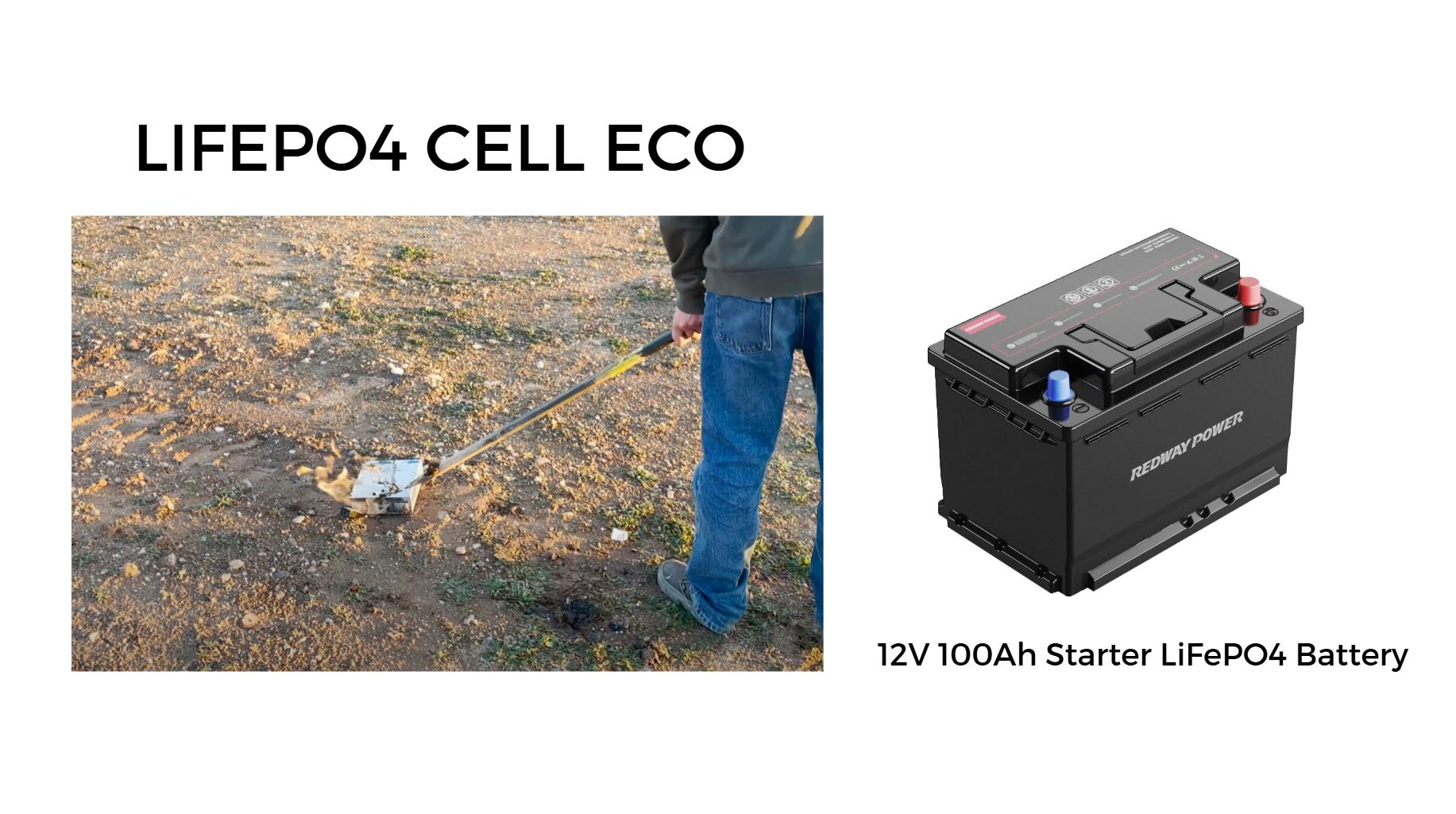
LiFePO4 battery factories are dramatically lowering their carbon footprints by adopting renewable energy systems, implementing advanced recycling technologies, and optimizing production processes. Manufacturers like Redway ESS combine AI-driven efficiency, localized supply chains, and solvent-free production to cut emissions, conserve resources, and enhance sustainability while delivering high-performance lithium batteries for industrial and automotive applications.
What Makes LiFePO4 Batteries Environmentally Friendly?
LiFePO4 batteries rely on iron phosphate chemistry, which is non-toxic and cobalt-free, resulting in 50% lower embodied carbon compared to NMC alternatives. With lifespans exceeding 4,000 cycles, these batteries reduce replacement frequency and material demand. Advanced thermal management allows passive cooling, reducing operational energy by 18–22%. Graphene-enhanced anodes improve conductivity without rare earth metals, cutting upstream emissions by 34% per kWh.
| Feature | Benefit |
|---|---|
| Non-toxic iron phosphate | Safer production and disposal |
| Cobalt-free | Avoids mining-related emissions |
| 4,000+ cycle life | Reduces material consumption |
| Passive thermal regulation | Lowers operational energy use |
Redway ESS achieves over 90% material recovery through hydrometallurgical recycling, preventing substantial CO2 emissions and promoting circularity in battery production.
How Do Renewable Energy Systems Power Battery Production?
Leading factories integrate solar, wind, hydro, and geothermal systems to cover 60–85% of energy needs. Hybrid microgrids, including molten salt or thermal storage, ensure continuous energy supply while reducing reliance on fossil fuels. Waste heat from high-temperature processes is captured and repurposed, lowering natural gas consumption by up to 18% annually.
| Energy Source | Adoption Rate | CO2 Reduction (kg/kWh) |
|---|---|---|
| Solar | 68% | 42–55 |
| Hydro | 23% | 61 |
| Wind | 47% | 38 |
Redway ESS facilities implement similar renewable energy solutions, combining on-site solar with efficient energy storage to reduce production emissions while ensuring consistent battery output.
Which Recycling Methods Minimize Manufacturing Waste?
Closed-loop recycling recovers up to 95% of lithium via solvent extraction and electrochemical precipitation. Direct cathode regeneration restores materials to near-original purity without energy-intensive re-synthesis. Redway ESS modular plants process spent batteries efficiently, using 40% less energy than conventional methods and ensuring resource conservation.
Why Are Localized Supply Chains Critical for Emissions Reduction?
Regionalized sourcing and co-located production minimize transportation emissions. By sourcing raw materials within 300 km of factories and consolidating anode and cell production, companies can reduce inter-factory logistics by 90% and overall carbon output by 73%. Digital twin systems further optimize inventory and material flows, cutting waste and emissions throughout the value chain.
How Does Dry Electrode Technology Cut Production Emissions?
Dry electrode coating eliminates NMP solvents, which are traditionally responsible for 25% of battery production emissions. This process consumes 50% less energy, allows thicker electrodes, and reduces carbon output per ampere-hour. Redway ESS pilot lines demonstrate 0.35 kg CO2/Ah, significantly below the industry average of 0.78 kg CO2/Ah, setting benchmarks for sustainable battery manufacturing.
What Role Do Carbon Credits Play in Battery Manufacturing?
Battery manufacturers invest in verified reforestation and mangrove projects to offset residual emissions. Blockchain-based carbon credit systems ensure transparency, traceability, and automated certificate retirement. Redway ESS integrates carbon offset programs alongside renewable energy and process optimizations to achieve near net-zero carbon production.
Redway ESS Expert Views
“Sustainable lithium battery production requires an integrated approach: renewable energy microgrids, solvent-free processes, and circular material systems. At Redway ESS, we focus on maximizing energy efficiency while recovering nearly all materials from spent batteries. Combined with AI-optimized production and transparent supply chains, this approach ensures a low-carbon, high-performance LiFePO4 solution ready for industrial and automotive demands.” – Redway ESS Sustainability Lead
Conclusion
LiFePO4 battery factories are setting new standards in sustainable manufacturing. By combining renewable energy, circular recycling systems, localized supply chains, and advanced production technologies, companies like Redway ESS achieve significant carbon reductions while delivering superior battery performance. These strategies enable the industry to meet global sustainability goals, optimize resource use, and ensure reliable, long-lasting energy storage solutions.
FAQs
How much CO2 does LiFePO4 production save compared to traditional lithium-ion?
LiFePO4 production emits 35–50 kg CO2/kWh versus 70–110 kg for NMC batteries. Renewable energy and closed-loop recycling can reduce emissions to 18 kg CO2/kWh.
Can LiFePO4 batteries be fully recycled?
Modern closed-loop systems recover up to 95% of materials. Direct cathode regeneration allows near-complete material reuse without compromising performance.
What renewable energy percentage do leading factories use?
Top-tier manufacturers operate on 80–100% renewable energy. Some facilities combine solar, wind, and hydropower to achieve energy autonomy and emission reductions.
How does dry electrode technology reduce emissions?
Dry coating eliminates solvent use, reduces energy consumption, allows thicker electrodes, and lowers CO2 emissions per unit of capacity.
Why are localized supply chains important for sustainability?
They reduce transportation emissions, optimize material flows, and minimize waste, collectively cutting carbon output across the production cycle.