
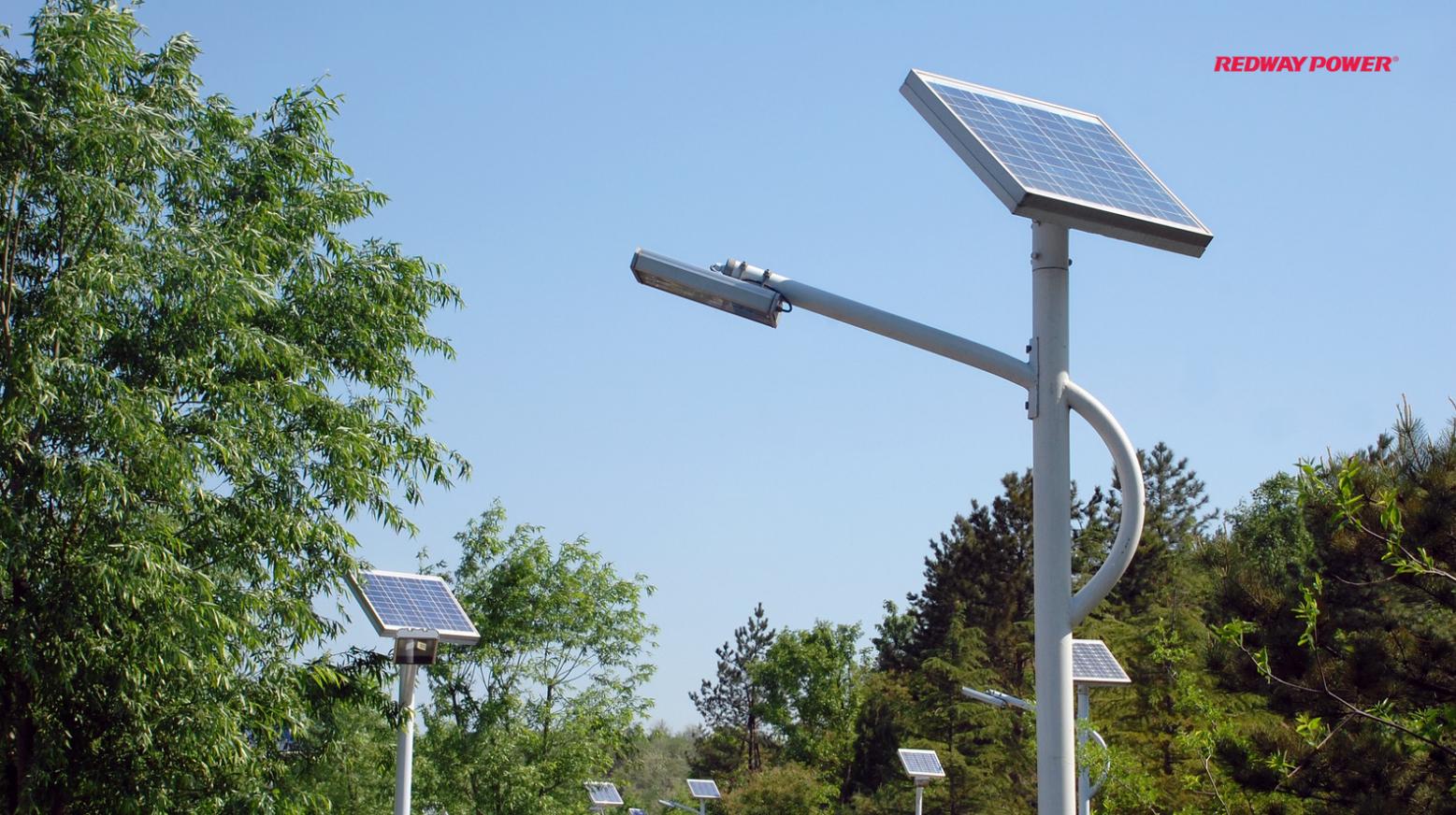
How to Replace Batteries in Solar Lights
Replacing batteries in solar lights is essential to maintain consistent illumination and extend the life of your outdoor lighting system. Ensure you choose compatible, high-quality batteries, like Redway ESS LiFePO4 or lithium-ion options, and follow safe installation steps to prevent damage, maximize performance, and ensure eco-friendly energy use.
What Tools Do You Need to Replace Solar Light Batteries?
Essential tools include a small screwdriver, pliers, and a voltage tester. Some solar lights may require additional tools like a wrench or plastic pry tool. Having the right tools ensures safe and efficient battery removal and installation while preventing damage to the solar light housing.
How Do You Safely Remove Old Batteries?
Turn off the solar light, open the battery compartment, and carefully disconnect the old batteries. Avoid short-circuiting terminals and handle batteries gently. Redway ESS recommends storing removed batteries safely for recycling or proper disposal.
Which Batteries Are Compatible with Solar Lights?
Solar lights typically use AA, AAA, or 12V rechargeable batteries. LiFePO4 and lithium-ion batteries provide longer lifespan, higher energy efficiency, and better temperature tolerance than alkaline or NiMH batteries. Redway ESS batteries are optimized for outdoor solar light performance.
How Do You Install New Batteries Correctly?
Align batteries according to polarity markings (+/-) and ensure a snug fit in the compartment. Reconnect wiring if required and close the housing securely. Correct installation ensures proper charging from solar panels and avoids electrical issues.
When Should You Replace Solar Light Batteries?
Replace batteries when lights dim, fail to illuminate fully, or show inconsistent performance. Typically, lithium-ion or LiFePO4 batteries last 3–5 years, while standard NiMH or alkaline options may require annual replacement. Redway ESS recommends periodic performance checks for early detection of battery degradation.
Why Is Battery Type Important for Solar Lights?
Battery type affects energy storage, recharge efficiency, and longevity. LiFePO4 batteries are safer, more stable, and support more charge cycles than alkaline or NiMH types. Choosing high-quality batteries ensures consistent illumination, minimal maintenance, and environmental sustainability.
How to Test Batteries Before Installation?
Use a multimeter to check voltage output. Fully charged LiFePO4 or lithium-ion batteries typically match the rated voltage. Testing ensures proper performance and avoids installing defective batteries that could reduce solar light efficiency.
Can You Recycle Old Solar Light Batteries?
Yes. Most lithium-ion and LiFePO4 batteries are recyclable. Proper recycling prevents environmental contamination and recovers valuable materials. Redway ESS actively supports battery recycling programs to promote eco-friendly energy practices.
| Battery Type | Voltage | Typical Capacity | Cycle Life | Recommended Use |
|---|---|---|---|---|
| LiFePO4 | 3.2V–12V | 2000–20000mAh | 2000+ | Long-lasting solar lights |
| Lithium-ion | 3.7V–12V | 1000–15000mAh | 500–1000 | Standard solar lighting |
| NiMH/Alkaline | 1.2V–1.5V | 800–3000mAh | 200–500 | Budget solar lights |
Where to Buy Reliable Solar Light Batteries?
Purchase from trusted suppliers like Redway ESS to ensure certified, high-performance batteries. Authentic batteries guarantee proper energy storage, safety features, and long-term performance critical for outdoor lighting reliability.
Redway ESS Expert Views
“Replacing solar light batteries correctly ensures optimal illumination and prolongs the system’s life. Using high-quality LiFePO4 or lithium-ion batteries, like those from Redway ESS, provides long-lasting performance, excellent temperature resilience, and environmental safety. Proper battery maintenance, testing, and installation are key to sustainable and efficient outdoor solar lighting solutions.”
Conclusion
Replacing solar light batteries involves selecting compatible, high-quality batteries, safely removing old ones, and properly installing new ones. LiFePO4 and lithium-ion options provide superior performance and longevity. Redway ESS highlights the importance of testing, maintenance, and eco-friendly recycling to ensure reliable, sustainable outdoor lighting.
FAQs
Can I use alkaline batteries in solar lights?
Alkaline batteries work but have shorter lifespan and lower efficiency than lithium options.
How often should I replace solar light batteries?
Every 3–5 years for lithium-ion or LiFePO4; annually for NiMH/alkaline.
What is the safest way to dispose of old batteries?
Recycle through certified battery recycling programs or return to manufacturers like Redway ESS.
Do all solar lights use the same battery type?
No, compatibility varies; always check voltage, size, and chemistry before replacement.
Can Redway ESS batteries improve solar light performance?
Yes, they provide longer life, higher efficiency, and better temperature tolerance for outdoor use.