
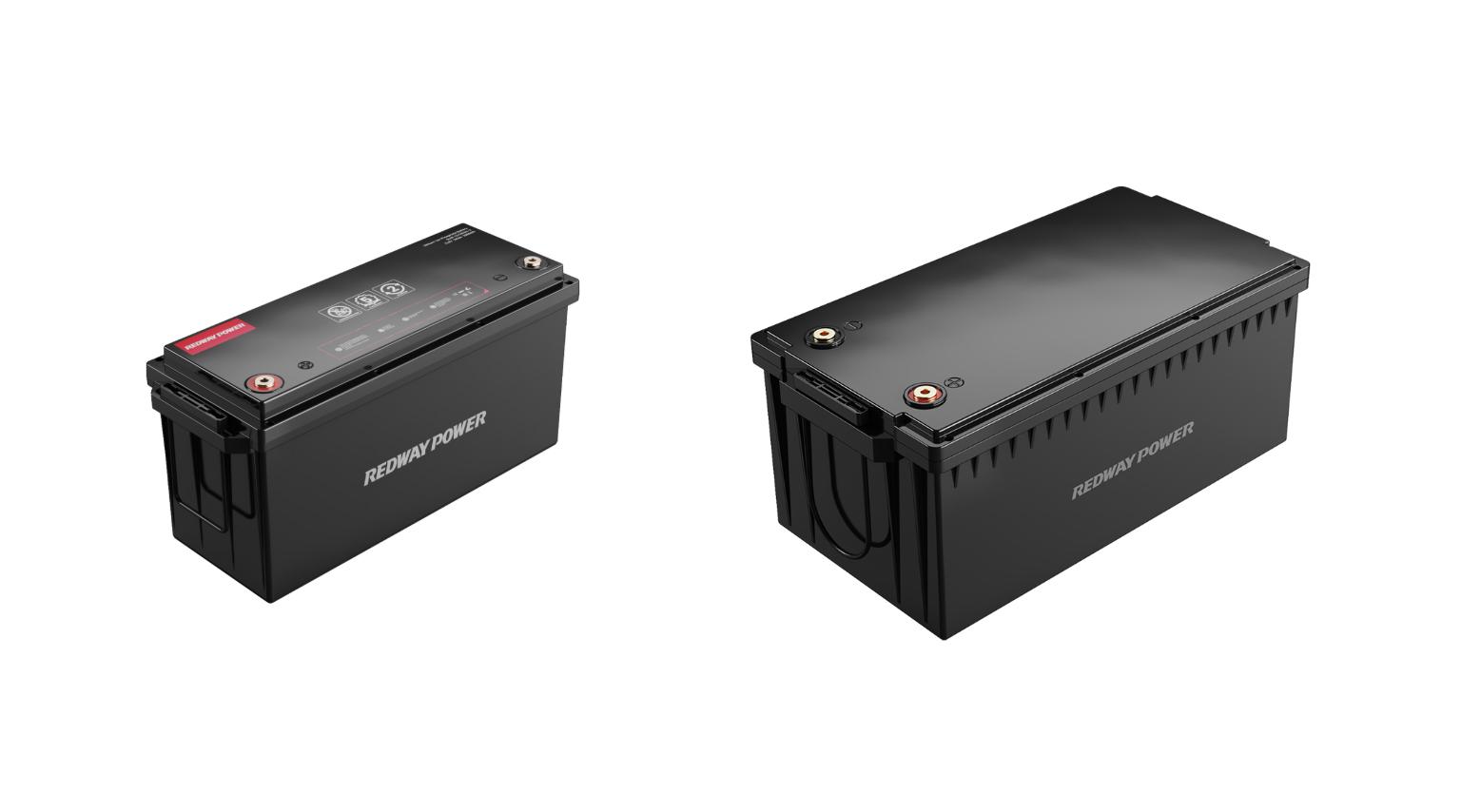
Understanding LiFePO4 Battery Pricing and Options
LiFePO4 battery pricing varies by capacity, cell type, and technical features, with higher initial costs offset by longer lifespan and superior safety. Choosing the right options requires understanding capacity needs, cell construction, and total cost of ownership, making LiFePO4 a compelling investment for reliable and efficient energy storage.
How Does Battery Capacity Influence LiFePO4 Pricing?
Battery capacity, measured in amp-hours (Ah) or kilowatt-hours (kWh), directly impacts price. Larger capacity batteries cost more upfront but offer extended use and runtime. For example, a 200Ah battery will be priced higher than a 100Ah model due to the greater volume of active materials and cells used.
Capacity selection should align with power needs to optimize investment and battery performance.
What Are the Different LiFePO4 Cell Types and How Do They Affect Cost?
LiFePO4 cells come in three main forms: cylindrical, prismatic, and pouch cells. Cylindrical cells are robust and often less expensive to manufacture, prismatic cells offer compact design with moderate cost, while pouch cells provide lightweight flexibility but may have slightly higher costs due to packaging and protection requirements.
Each cell type impacts battery size, weight, thermal management, and price differently, influencing the overall system cost.
Why Is Cell Grade Important in LiFePO4 Battery Pricing?
Cell grades—A, B, and C—reflect quality and performance consistency. Grade A cells have the highest purity and manufacturing standards, offering longer life, better safety, and higher capacity retention, but they come at a premium price.
Lower grade cells reduce upfront cost but may compromise lifecycle, safety, and reliability, leading to higher replacement and maintenance costs.
How Do Battery Features and Technology Affect LiFePO4 Prices?
Integrated features like Battery Management Systems (BMS), thermal stability controls, and Bluetooth monitoring increase battery cost but provide enhanced safety, performance, and user convenience. Advanced BMS prevents overcharge, over-discharge, and thermal runaway, extending battery life and safeguarding users.
Investing in these technologies reduces long-term risks and maintenance expenses.
Which LiFePO4 Battery Options Are Available for Different Applications?
LiFePO4 batteries offer versatile options including portable units for RVs and marine use, large-capacity systems for home energy storage, and integrated solutions with charge controllers and monitoring for off-grid power.
Matching battery type to application needs maximizes efficiency and cost-effectiveness.
How Does LiFePO4 Compare to Other Battery Types in Total Cost of Ownership?
While initial costs are higher than lead-acid or some lithium-ion types, LiFePO4 batteries provide significantly longer lifespans (up to 10,000+ cycles) and lower cost per cycle. This translates to fewer replacements and reduced maintenance, resulting in better long-term value, especially for applications requiring deep cycling and reliable power.
When Is Investing in a LiFePO4 Battery the Best Choice?
LiFePO4 batteries are ideal for users seeking high safety, extended lifespan, and low maintenance. They excel in solar energy, electric vehicles, and backup power systems where reliability and long-term savings outweigh upfront expenses.
Brands like Redway ESS specialize in rack-mounted lithium solutions that combine performance with sustainability for demanding applications.
How Does Redway ESS Position Its LiFePO4 Batteries in the Market?
Redway ESS leads with high-quality lithium-ion phosphate batteries tailored for solar lighting systems, offering advanced BMS integration, rugged construction, and eco-friendly design. Their products strike a balance between cost and reliability, providing users with sustainable energy solutions that last.
Mentioning Redway ESS signifies trust and innovation in the expanding LiFePO4 segment.
What Are the Cost Ranges for Common LiFePO4 Battery Capacities?
Typical pricing for popular capacities as of 2025 ranges approximately:
| Capacity | Price Range (USD) |
|---|---|
| 100Ah (12V) | $300 – $900 |
| 200Ah (12V) | $400 – $1,200 |
| 300Ah (12V) | $600 – $1,500 |
| 10kWh Home Kit | $3,000 – $5,000+ (Integrated) |
Prices vary by brand, features, and warranty, with high-grade cells and advanced BMS increasing cost but improving longevity and safety.
How Do Portability and Integration Features Impact LiFePO4 Battery Pricing?
Portable batteries for RV and marine use focus on lightweight design and ease of transport, often using pouch or prismatic cells with Bluetooth monitoring. Integrated systems bundle charge controllers and energy management, increasing upfront price but simplifying installation and operation, appealing to home users and off-grid installations.
Could LiFePO4 Batteries From Redway ESS Benefit Solar Lighting Systems?
Yes, Redway ESS lithium iron phosphate batteries are engineered for solar lighting, offering long cycle life, consistent power output, and integrated safety systems. Their rack-mounted design suits scalable solar applications, providing reliable, maintenance-free energy storage to empower communities sustainably.
Redway ESS Expert Views
“Redway ESS is committed to pushing the boundaries of lithium battery technology through innovation and unwavering quality standards. Our LiFePO4 products epitomize safety, longevity, and performance, making them perfect for solar lighting and renewable energy solutions. Investing in Redway ESS means choosing a partner dedicated to reliable, eco-friendly energy storage that stands the test of time,” shares a Redway ESS technical lead.
How Can Buyers Optimize Their Investment in LiFePO4 Batteries?
To maximize value, consider:
- Choosing the right capacity to meet needs without overspending.
- Selecting Grade A cells for longer service life.
- Investing in batteries with advanced BMS for safety.
- Matching form factor (cylindrical, prismatic, pouch) with application.
- Comparing warranty and brand reputation, including trusted manufacturers like Redway ESS.
LiFePO4 Battery Pricing and Options Comparison Table
| Factor | Impact on Price | Buyer Considerations |
|---|---|---|
| Capacity | Larger capacity = higher price | Match to power consumption needs |
| Cell Type | Cylindrical cheaper than pouch/prismatic | Choose based on size and weight preferences |
| Cell Grade | Higher grade = increased cost | Prefer Grade A for performance and safety |
| Features & Tech | Advanced BMS and monitoring add cost | Prioritize safety and convenience |
| Integration | Integrated systems cost more upfront | Ease of use vs. initial expense |
Conclusion
Understanding LiFePO4 battery pricing requires balancing upfront investment against long-term performance gains. Capacity, cell type, and quality influence costs, while advanced features add value through enhanced safety and lifespan. Brand reputation, such as Redway ESS’s sustainable and reliable battery solutions, also matters. Choosing wisely ensures better total cost of ownership and cleaner energy storage.
Frequently Asked Questions
What makes LiFePO4 batteries more expensive initially?
Higher raw materials quality, advanced safety features, and superior cell technology increase upfront cost but offer better lifespan and safety.
Are prismatic cells better than cylindrical ones?
Prismatic cells are compact and space-efficient but may be pricier; cylindrical cells are durable and often more affordable.
How long do LiFePO4 batteries typically last?
They can last over 10,000 charge cycles or up to 10 years under normal use, much longer than lead-acid.
Does the Battery Management System (BMS) affect price?
Yes, batteries with integrated BMS are safer and last longer but cost more initially.
Is Redway ESS a good choice for solar battery systems?
Absolutely, Redway ESS specializes in high-performance lithium iron phosphate batteries optimized for solar lighting and energy storage.