
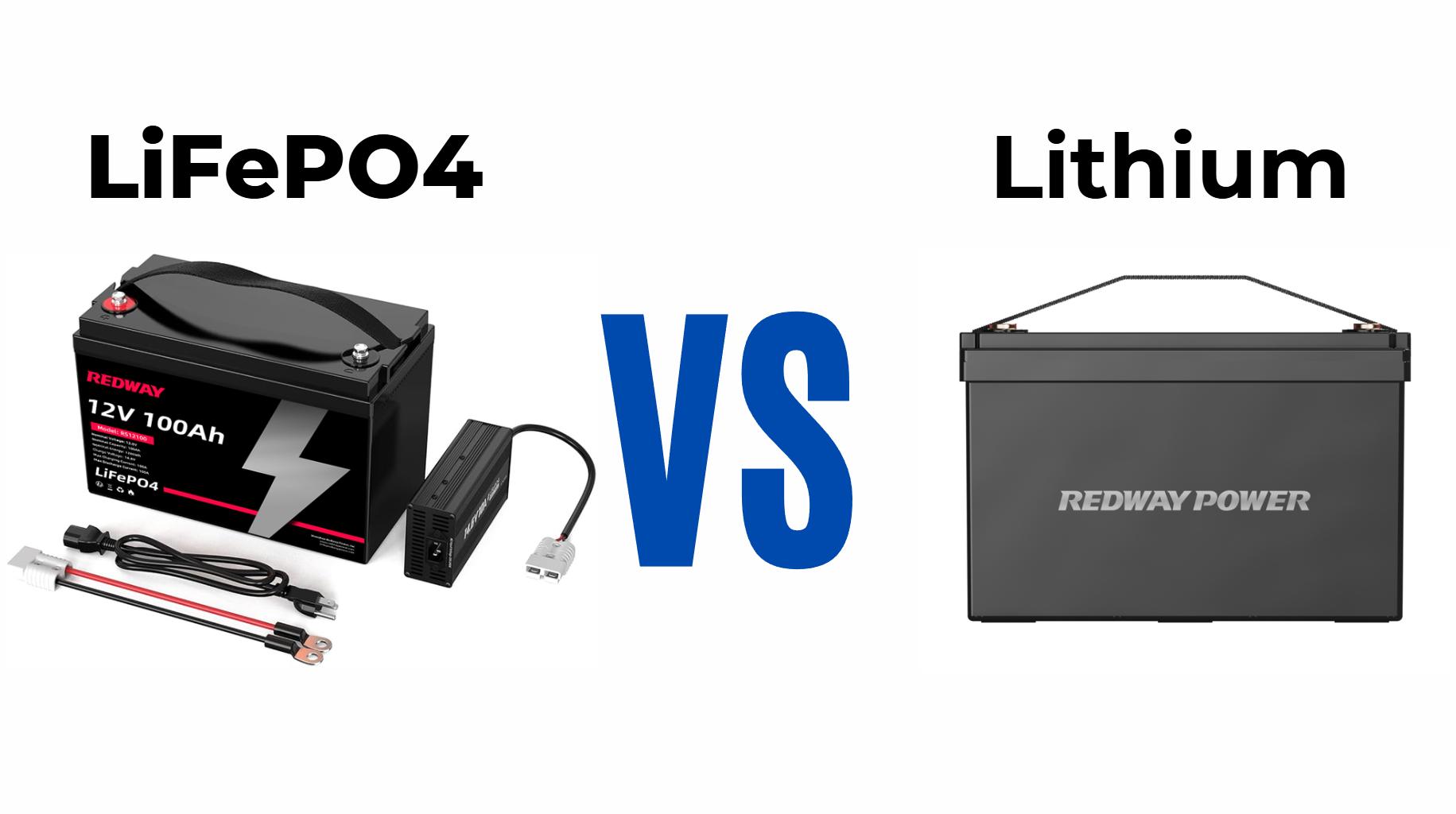
What Are the Key Differences Between LiFePO4 and Lithium-Ion Batteries?
LiFePO4 batteries are a safer, longer-lasting type of lithium-ion battery with superior thermal stability but lower energy density. Standard lithium-ion batteries, often containing nickel or cobalt, provide higher energy density in a compact form but have shorter lifespans and higher safety risks. Choosing between them depends on whether safety, longevity, or compact performance is the priority.
How Do LiFePO4 and Lithium-Ion Batteries Differ in Safety?
LiFePO4 batteries are chemically stable, reducing the risk of overheating, thermal runaway, or fire. Traditional lithium-ion batteries, while energy-dense, are more susceptible to overheating and require advanced thermal management to prevent accidents. Redway ESS emphasizes the inherent safety of LiFePO4 solutions in critical applications like solar storage and backup power.
What Is the Difference in Lifespan Between LiFePO4 and Lithium-Ion?
LiFePO4 batteries last thousands of charge-discharge cycles, often between 3,000 and 10,000 cycles. Standard lithium-ion batteries usually provide 300–1,500 cycles before noticeable capacity degradation. This makes LiFePO4 ideal for stationary storage or heavy-duty industrial use, while traditional lithium-ion is suited for portable, space-constrained devices.
Which Battery Type Offers Higher Energy Density?
Standard lithium-ion batteries have higher energy density, storing more energy in a smaller, lighter package, ideal for electric vehicles, drones, and consumer electronics. LiFePO4 batteries trade energy density for safety and longevity, making them slightly bulkier but more reliable for stationary applications and renewable energy storage.
Why Are LiFePO4 Batteries More Expensive Upfront?
LiFePO4 batteries use stable, high-quality materials and offer longer cycle life, leading to higher initial costs. Traditional lithium-ion batteries may be cheaper upfront due to compact design and lower raw material costs. However, the total cost of ownership favors LiFePO4 due to reduced maintenance, fewer replacements, and longer lifespan.
Where Are LiFePO4 Batteries Best Used?
LiFePO4 is ideal for applications where safety, reliability, and lifespan are critical, such as solar energy storage, home backup systems, industrial equipment, and electric golf carts. Redway ESS provides solutions that scale from residential to industrial systems, ensuring long-term performance and environmental sustainability.
Where Are Standard Lithium-Ion Batteries Best Used?
Traditional lithium-ion batteries excel in applications requiring compact size and high energy density, such as smartphones, laptops, electric bikes, and drones. These batteries prioritize space efficiency and lightweight design, making them ideal for mobile and portable energy solutions.
Can LiFePO4 Batteries Handle Extreme Temperatures Better?
Yes. LiFePO4 batteries operate effectively across a wider temperature range (-20°C to 60°C), maintaining stability and performance in harsh environments. Traditional lithium-ion batteries require strict thermal management to avoid overheating or reduced performance at extreme temperatures.
Does Energy Density Affect Practical Applications?
Absolutely. Higher energy density in lithium-ion batteries allows for smaller, lighter designs, critical for transportable devices and EVs. LiFePO4 batteries, while safer and longer-lasting, are bulkier, making them better suited for stationary energy storage, backup power, or industrial uses where size is less constrained.
Table: Comparison of LiFePO4 vs Lithium-Ion Batteries
| Feature | LiFePO4 | Standard Lithium-Ion |
|---|---|---|
| Cycle Life | 3,000 – 10,000 cycles | 300 – 1,500 cycles |
| Energy Density | 90–160 Wh/kg | 150–250 Wh/kg |
| Safety | Very high, thermally stable | Moderate, risk of thermal runaway |
| Cost | Higher upfront | Lower upfront |
| Applications | Solar, backup, industrial | EVs, drones, portable electronics |
| Temperature Range | -20°C to 60°C | 0°C to 45°C |
Redway ESS Expert Views
“LiFePO4 and standard lithium-ion batteries each serve unique purposes. LiFePO4 is unmatched for safety, longevity, and reliability, making it ideal for renewable energy storage and industrial systems. Meanwhile, high-energy lithium-ion excels in portable electronics and EVs where compact design is key. Redway ESS continues to provide tailored solutions, ensuring customers choose the chemistry that best fits their operational and safety needs.”
Conclusion
Choosing between LiFePO4 and traditional lithium-ion batteries requires balancing safety, lifespan, energy density, and application needs. LiFePO4 is safer, longer-lasting, and environmentally friendly, while standard lithium-ion offers compact size and higher energy density. Redway ESS delivers high-quality solutions for both battery types, helping users optimize performance, reliability, and total cost of ownership.
FAQs
Are LiFePO4 batteries safer than other lithium-ion types?
Yes, LiFePO4 has superior thermal stability and minimal risk of fire.
Do LiFePO4 batteries last longer than standard lithium-ion?
Significantly, often 3–10 times more charge-discharge cycles.
Can I use standard lithium-ion for stationary energy storage?
Yes, but LiFePO4 is generally safer and more durable for long-term storage.
Is energy density higher in lithium-ion batteries?
Yes, lithium-ion packs more energy in a smaller, lighter package.
Does Redway ESS supply both LiFePO4 and lithium-ion solutions?
Yes, they provide tailored options for residential, industrial, and commercial applications.