
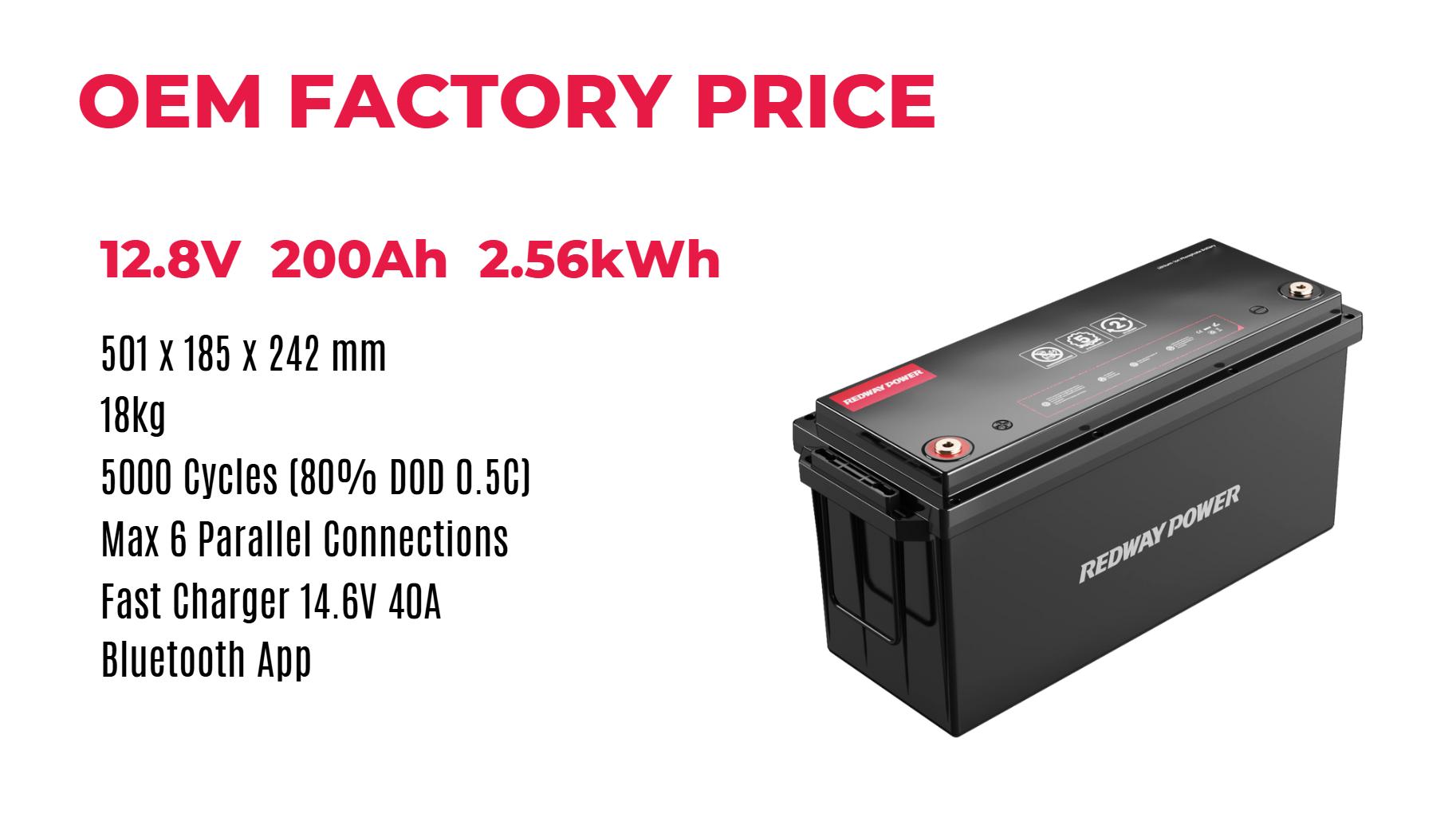
What Are the Performance and Characteristics of LiFePO4 Batteries?
LiFePO4 batteries provide high safety, long cycle life, stable voltage, and excellent discharge performance, making them ideal for EVs, solar storage, and backup power. Their moderate temperature range and lightweight design further enhance efficiency and reliability, while superior longevity ensures cost-effectiveness compared to lead-acid or other lithium-ion chemistries.
How Safe Are LiFePO4 Batteries Compared to Other Lithium Chemistries?
LiFePO4 batteries use a stable iron phosphate cathode that prevents thermal runaway.
This chemistry makes them highly resistant to overheating, fires, and explosions. Unlike lithium cobalt or nickel-based batteries, LiFePO4 cells maintain integrity under stress, providing peace of mind for applications in EVs, solar storage, and industrial setups. Redway ESS prioritizes this safety in all their products.
What Is the Lifespan of LiFePO4 Batteries?
LiFePO4 batteries typically last thousands of cycles.
With a lifespan often exceeding 2,000–5,000 charge-discharge cycles, LiFePO4 batteries significantly outlast lead-acid options. This longevity reduces replacement costs and total cost of ownership, making them ideal for long-term renewable energy projects, EV fleets, and backup power systems.
How Does LiFePO4 Performance Maintain Stable Voltage?
Voltage remains consistent throughout most of the discharge cycle.
LiFePO4 cells exhibit minimal voltage drop until near full depletion, ensuring reliable performance for sensitive electronics and consistent power delivery for EVs or solar energy storage. This stable voltage characteristic improves efficiency and extends the usable capacity of the battery system.
Which Applications Benefit Most from LiFePO4 Batteries?
LiFePO4 batteries are ideal for EVs, solar storage, and backup power.
Electric vehicles gain from high discharge currents and safety; solar systems benefit from efficiency and longevity; backup systems rely on stable voltage and reliability. Recreational vehicles, boats, and industrial equipment also profit from lightweight, durable LiFePO4 solutions. Redway ESS offers tailored options for these diverse use cases.
What Are the Energy and Power Densities of LiFePO4 Batteries?
LiFePO4 offers high energy storage with strong discharge capability.
Although slightly lower in energy density than some lithium-ion chemistries, LiFePO4 delivers high power output without significant voltage drops. This makes them suitable for high-demand applications like EV acceleration, grid energy balancing, and heavy-duty industrial equipment.
How Do LiFePO4 Batteries Handle Temperature Extremes?
They operate efficiently between -20°C to 60°C (-4°F to 140°F).
This wide temperature range allows LiFePO4 batteries to function in hot climates or cold environments without performance loss. They also integrate well with thermal management systems, such as those used in RackBattery and Redway ESS industrial battery solutions, ensuring consistent operation.
Are LiFePO4 Batteries Lightweight and Easy to Install?
Yes, they are roughly one-third the weight of comparable lead-acid batteries.
This makes transportation, installation, and maintenance simpler, particularly for solar, RV, and EV applications. Reduced weight also improves vehicle efficiency and lowers structural support requirements. Redway ESS designs batteries to maximize this advantage without compromising durability.
How Efficient Are LiFePO4 Batteries During Charge and Discharge?
They typically achieve over 90% efficiency.
High round-trip efficiency minimizes energy loss during charging and discharging cycles, making them cost-effective and environmentally friendly. This efficiency ensures that stored renewable energy is utilized effectively in solar, wind, and backup systems.
Table: LiFePO4 Battery Key Performance Metrics
| Characteristic | Value / Feature | Benefit |
|---|---|---|
| Cycle Life | 2,000–5,000+ cycles | Long-term cost savings |
| Energy Density | Moderate (90–120 Wh/kg typical) | Reliable power without overheating |
| Operating Temperature | -20°C to 60°C (-4°F to 140°F) | Versatile in various climates |
| Voltage Stability | Minimal drop until depletion | Consistent power output |
| Efficiency | 90%+ round-trip | Maximizes energy usage |
| Weight | ~1/3 of lead-acid | Easier handling and transport |
Can LiFePO4 Batteries Suffer from Memory Effect?
No, they can be charged anytime without losing capacity.
Unlike nickel-cadmium or nickel-metal hydride batteries, LiFePO4 batteries do not experience memory effect. Users can recharge whenever convenient, enhancing flexibility for EV fleets, solar energy storage, and intermittent backup power applications.
Redway ESS Expert Views
“LiFePO4 batteries strike an ideal balance between safety, performance, and longevity. At Redway ESS, we focus on engineering solutions that maximize cycle life, efficiency, and reliability, ensuring our lithium iron phosphate batteries serve diverse applications, from residential solar systems to industrial energy storage. Users benefit from consistent voltage, lightweight design, and robust thermal stability.”
Conclusion
LiFePO4 batteries are a superior choice for applications requiring safety, long life, stable voltage, and high discharge performance. They are suitable for EVs, renewable energy storage, backup power, and recreational vehicles. Redway ESS provides tailored solutions globally, offering reliable, high-quality batteries designed to meet diverse energy demands while ensuring efficiency, safety, and long-term performance.
FAQs
What makes LiFePO4 batteries safer than other lithium-ion types?
The iron phosphate cathode prevents thermal runaway and reduces fire risks.
How long can LiFePO4 batteries last compared to lead-acid?
Typically 2,000–5,000 cycles, far exceeding lead-acid lifespan.
Are LiFePO4 batteries suitable for extreme temperatures?
Yes, they operate effectively between -20°C and 60°C.
Do LiFePO4 batteries require special maintenance?
No, they are low-maintenance and resist memory effect.
Can LiFePO4 batteries handle high discharge currents?
Yes, they deliver high power without significant voltage drops, suitable for EVs and industrial use.