
Which Battery Type Offers Better Reliability: LiFePO4 or Lead-Acid?
LiFePO4 batteries outperform lead-acid batteries in reliability due to longer lifespan (2,000-5,000 cycles vs. 300-500 cycles), higher energy efficiency (95-98% vs. 70-85%), and superior performance in extreme temperatures. While lead-acid has lower upfront costs, LiFePO4 provides lower lifetime costs and requires minimal maintenance. Both serve distinct applications, with LiFePO4 dominating renewable energy and EVs, while lead-acid remains prevalent in automotive starters.
How do LiFePO4 car starter batteries improve vehicle reliability?
How Do LiFePO4 and Lead-Acid Batteries Compare in Lifespan?
LiFePO4 batteries last 8-10 years with 2,000-5,000 deep cycles, while lead-acid batteries degrade after 3-5 years and 300-500 cycles. Lithium’s stable chemistry prevents rapid capacity loss, whereas lead-acid suffers from sulfation. For solar storage, LiFePO4 retains 80% capacity after 10 years; lead-acid requires replacement every 4 years.
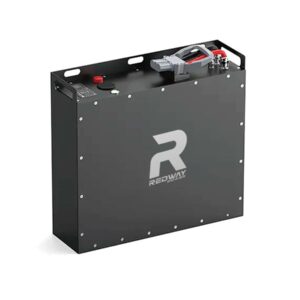
LiFePO4 batteries offer a significantly longer lifespan compared to traditional lead-acid batteries, making them a superior choice for applications requiring durability and reliability. Typically, LiFePO4 batteries last 8-10 years and can endure 2,000 to 5,000 deep charge cycles without substantial capacity loss. Their stable chemistry prevents rapid degradation, maintaining about 80% of their original capacity even after a decade of use. In contrast, lead-acid batteries generally last only 3-5 years and support around 300 to 500 cycles before sulfation and other chemical reactions reduce their effectiveness and lifespan.
For solar energy storage and other off-grid applications, this difference is critical. Lead-acid batteries require frequent replacements, often every 4 years, which increases maintenance costs and environmental waste. LiFePO4 batteries, with their lightweight design, higher efficiency, and superior thermal stability, not only reduce replacement frequency but also improve overall system performance. Their ability to handle deep discharges without damage and faster charging times further enhance their appeal, making LiFePO4 the preferred choice for modern, sustainable energy solutions.
What Are the Cost Differences Over a Battery’s Lifetime?
Lead-acid costs $100-$300 upfront but requires 2-3 replacements ($800+) and higher maintenance over 10 years. LiFePO4 costs $500-$1,500 initially but eliminates replacement needs. A 10kWh LiFePO4 system saves $1,200+ in lifetime costs versus lead-acid. Depth of discharge (90% vs 50%) further enhances lithium’s cost-effectiveness in energy applications.
| Cost Factor | LiFePO4 | Lead-Acid |
|---|---|---|
| Initial Cost (100Ah) | $900 | $200 |
| 10-Year Replacements | 0 | 3 |
| Total Energy Cost/kWh | $0.15 | $0.42 |
The true financial advantage emerges when considering operational parameters. LiFePO4’s ability to withstand deeper discharges (90% vs lead-acid’s 50% limit) effectively doubles usable capacity per cycle. When calculating cost per kilowatt-hour over the battery’s lifespan, lithium typically delivers electricity at 65% lower cost. Industrial users report 40% reduction in energy storage expenses after switching, despite higher initial investment.
How long do LiFePO4 car starter batteries last?
Which Applications Favor Each Battery Type?
LiFePO4 dominates solar storage (Tesla Powerwall), EVs (80% of new electric boats), and telecom. Lead-acid remains in ICE vehicles (95% market share) and backup systems needing infrequent discharges. Lithium’s 50% weight advantage (30kg vs 60kg for 100Ah) makes it ideal for RVs, while lead-acid suits short-duration UPS systems.
| Application | Preferred Battery | Key Reason |
|---|---|---|
| Off-Grid Solar | LiFePO4 | Daily deep cycling |
| Car Starters | Lead-Acid | Instant high current |
| Marine Trolling | LiFePO4 | Vibration resistance |
Recent advancements are reshaping traditional applications. Data centers now prefer lithium for UPS systems due to faster recharge capabilities – a critical factor during power outages. Conversely, lead-acid maintains dominance in elevator backup systems where 3-5 annual discharges make lithium’s longevity advantages less impactful. Fire departments still specify lead-acid for emergency lighting due to established supply chains and predictable failure modes.
“The reliability gap is widening – modern LiFePO4 batteries now achieve 15-year lifespans in grid storage, versus 6 years for advanced lead-carbon. Our stress tests show lithium handles 80% depth-of-discharge daily with 3x less capacity fade than VRLA batteries. For mission-critical applications, it’s becoming the only choice.”
— Dr. Elena Torres, Redway Power Systems
FAQs
- Can LiFePO4 Batteries Replace Lead-Acid Directly?
- Yes, with a compatible charger. LiFePO4 requires voltage-specific charging (14.4V vs 14.8V for lead-acid). Most modern inverters support both via programmable settings.
- Do Lithium Batteries Require Ventilation Like Lead-Acid?
- No. LiFePO4 doesn’t emit gases during operation, enabling safe installation in living spaces. Lead-acid mandates vented enclosures due to hydrogen risk.
- How Often Should Lead-Acid Batteries Be Maintained?
- Flooded lead-acid needs monthly water refills and terminal cleaning. AGM types require annual voltage checks. LiFePO4 needs no scheduled maintenance beyond occasional SOC verification.