
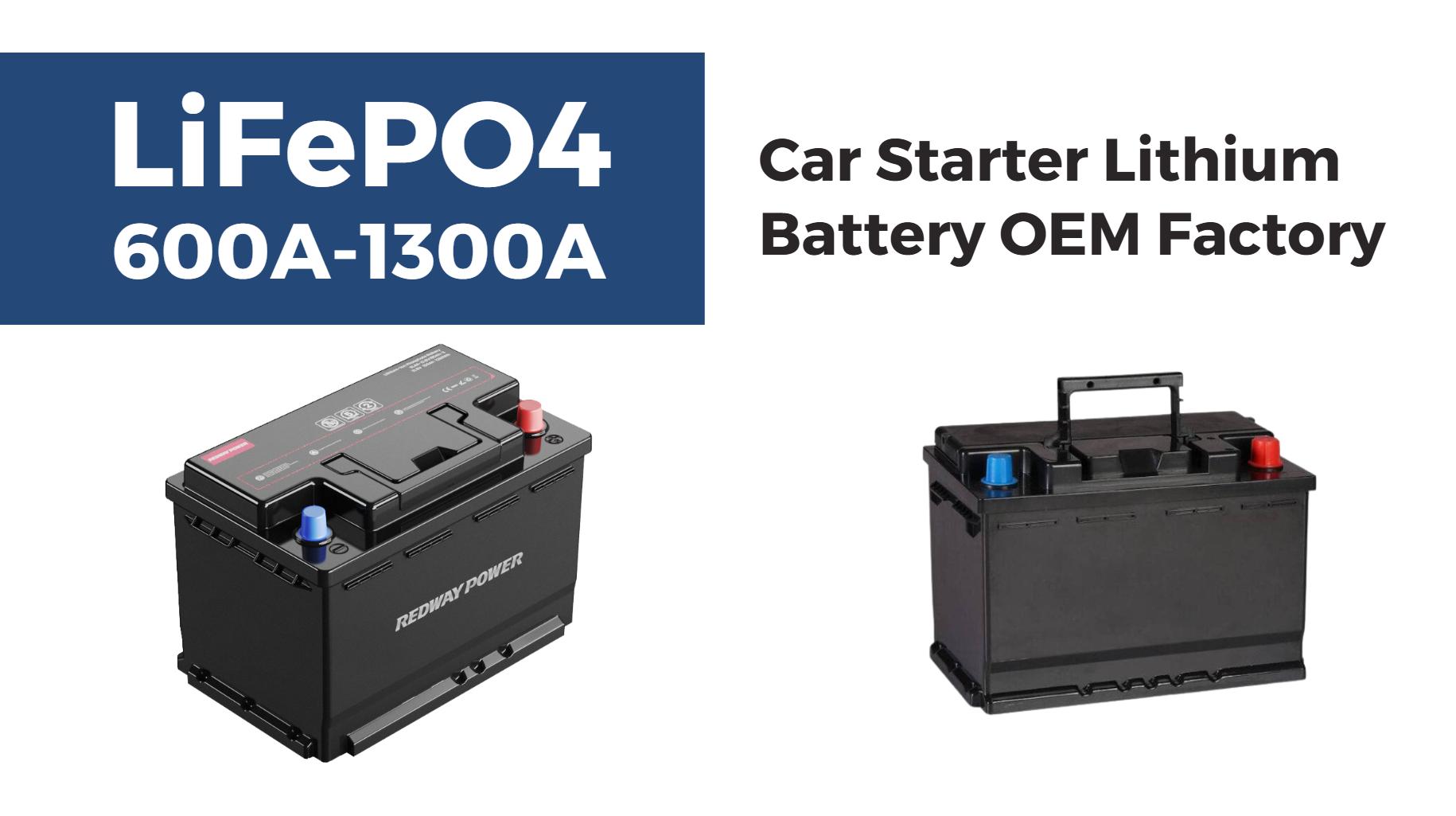
What Are the Latest Trends in LiFePO4 Car Starter Batteries?
LiFePO4 car starter batteries are reshaping the automotive energy landscape with superior safety, efficiency, and performance. Delivering higher energy density, rapid charging, and longer lifespans, these batteries outperform traditional lead-acid options. Modern designs now include smart monitoring, adaptive management systems, and eco-friendly production methods, making them ideal for modern, hybrid, and heavy-duty vehicles.
How Have Energy Density Improvements Impacted LiFePO4 Car Batteries?
Recent advancements in electrode materials and compact cell designs have increased LiFePO4 battery energy density by up to 20%, allowing for lighter and more efficient car batteries. These modern units now rival lead-acid sizes but offer three times more charge cycles and significantly higher cold-cranking amps (CCA). Nanostructured cathode materials achieve 160–180 Wh/kg, compared to just 30–50 Wh/kg in lead-acid batteries.
| Metric | LiFePO4 | Lead-Acid |
|---|---|---|
| Energy Density | 160 Wh/kg | 40 Wh/kg |
| Cycle Life | 3,000+ cycles | 500 cycles |
| Charge Efficiency | 98% | 75% |
These gains enable LiFePO4 batteries to power advanced automotive systems, including start-stop and hybrid configurations, while reducing overall vehicle weight and improving fuel efficiency.
What Safety Innovations Define Modern LiFePO4 Car Batteries?
Modern LiFePO4 batteries integrate multi-level safety mechanisms for enhanced reliability. Key features include ceramic separators that tolerate over 200°C and advanced AI-based Battery Management Systems (BMS) that ensure 99.7% reliability in overcharge and discharge prevention. The stable phosphate chemistry also minimizes the risk of thermal runaway by 80%, positioning LiFePO4 as the safest lithium battery option for automotive use.
Redway ESS leverages these technologies in its OEM battery line, combining thermal-resistant cell structures and intelligent BMS algorithms to guarantee long-term operational safety in both passenger and commercial vehicles.
Why Are LiFePO4 Car Batteries Becoming More Affordable?
Production efficiency and material recycling have significantly reduced LiFePO4 costs since 2020. With cathode recycling and automated manufacturing, production costs dropped from $150/kWh in 2018 to around $90/kWh today. Despite higher initial prices, these batteries deliver up to 60% lower total ownership cost due to extended lifespans—lasting 8–10 years compared to just 3–5 for AGM types.
This economic advantage has accelerated global adoption. Redway ESS continues to invest in sustainable production methods that reduce waste while keeping factory pricing competitive for OEM and aftermarket clients.
How Does Smart Technology Enhance LiFePO4 Battery Performance?
Smart BMS systems in LiFePO4 batteries enable real-time monitoring via Bluetooth and predictive maintenance using AI algorithms. These systems calculate state-of-health (SOH) and state-of-charge (SOC) with 95% accuracy, optimizing charging behavior based on vehicle demands.
| Feature | Benefit |
|---|---|
| Adaptive Charging | Extends battery life by 30% |
| Fault Prediction | Alerts users up to 72 hours before failure |
| Load Balancing | Maintains cell variance below 2% |
Through these technologies, brands like Redway ESS ensure their LiFePO4 car starter batteries operate efficiently, providing consistent performance even in demanding applications such as start-stop or hybrid systems.
What Environmental Benefits Do LiFePO4 Car Batteries Offer?
LiFePO4 batteries are non-toxic, cobalt-free, and 99% recyclable. Their long cycle life significantly reduces waste generation and replacement frequency. Phosphate chemistry avoids hazardous materials, lowering mining-related carbon emissions and contamination risks.
Switching from lead-acid to LiFePO4 can reduce a vehicle’s lifetime CO₂ emissions by up to 12 metric tons, making them a key component in the transition toward sustainable mobility. Redway ESS actively supports green manufacturing practices and recycling programs that minimize environmental footprint across its production chain.
Which Vehicles Are Compatible With LiFePO4 Starter Batteries?
LiFePO4 batteries are compatible with most modern gasoline and diesel vehicles, thanks to adaptive voltage ranges between 10.8V and 15V. They provide superior cranking power for start-stop systems and can be used as direct replacements in classic cars, maintaining voltage stability for sensitive electronics.
Redway ESS offers customized OEM solutions for automotive manufacturers and aftermarket integrators, ensuring seamless fitment and optimal performance across diverse vehicle types and conditions.
How Does Cold Weather Affect LiFePO4 Car Battery Efficiency?
Cold climates no longer limit LiFePO4 performance. Advanced graphene-enhanced anodes and integrated self-heating modules help maintain up to 85% cold-cranking capacity at -20°C (-4°F). Some models activate internal heaters automatically below freezing temperatures, consuming minimal energy while guaranteeing dependable engine starts.
In contrast, traditional lead-acid batteries lose about 50% of their capacity in such conditions. Redway ESS’s cold-weather LiFePO4 solutions are engineered for consistent, reliable power in both arctic and desert environments.
What Aftermarket Upgrades Optimize LiFePO4 Battery Performance?
To further enhance performance, drivers can integrate smart alternator regulators, cell balancers, and thermal management systems. For high-drain vehicles, combining LiFePO4 batteries with supercapacitors can reduce peak load stress by 40%, improving reliability and extending lifespan.
Redway ESS recommends these upgrades for fleets and performance vehicles to maximize the operational advantages of LiFePO4 technology.
Redway ESS Expert Views
“LiFePO4 starter batteries represent a major step forward in vehicle power systems. Redway ESS has identified that the integration of advanced electrode materials and adaptive BMS technologies leads to remarkable improvements in both safety and cold-cranking power. Our clients achieve consistent, maintenance-free operation across challenging environments. As smart energy storage evolves, LiFePO4 will define the future standard for automotive batteries.”
Conclusion
LiFePO4 car starter batteries are setting new benchmarks in automotive energy storage through innovation, sustainability, and intelligent design. With unmatched safety, extended service life, and eco-friendly production, they deliver superior value for both everyday and industrial vehicles. Redway ESS continues to lead this transformation, offering OEM-grade solutions that combine smart functionality with long-term reliability.
Frequently Asked Questions
Can LiFePO4 Batteries Handle High Electrical Loads?
Yes. Quality LiFePO4 batteries support surge currents over 500A and include built-in overload protection to manage heavy electrical demands safely.
Do LiFePO4 Batteries Require Specialized Chargers?
They work with standard alternators, but dedicated LiFePO4 chargers enhance efficiency and protect against undercharging.
Are LiFePO4 Batteries Safe for Daily Vehicles?
Absolutely. LiFePO4 chemistry is highly stable and undergoes extensive testing to ensure consistent safety and performance.
How Long Do LiFePO4 Starters Last?
Typically, these batteries last 8–12 years, offering between 2,000 and 5,000 cycles depending on usage and maintenance.
Do LiFePO4 Batteries Perform in Extreme Climates?
Yes. With advanced thermal regulation, they maintain performance from -30°C to 70°C, making them suitable for all-weather use.