
How Do LiFePO4 Car Starter Batteries Contribute to Green Energy?
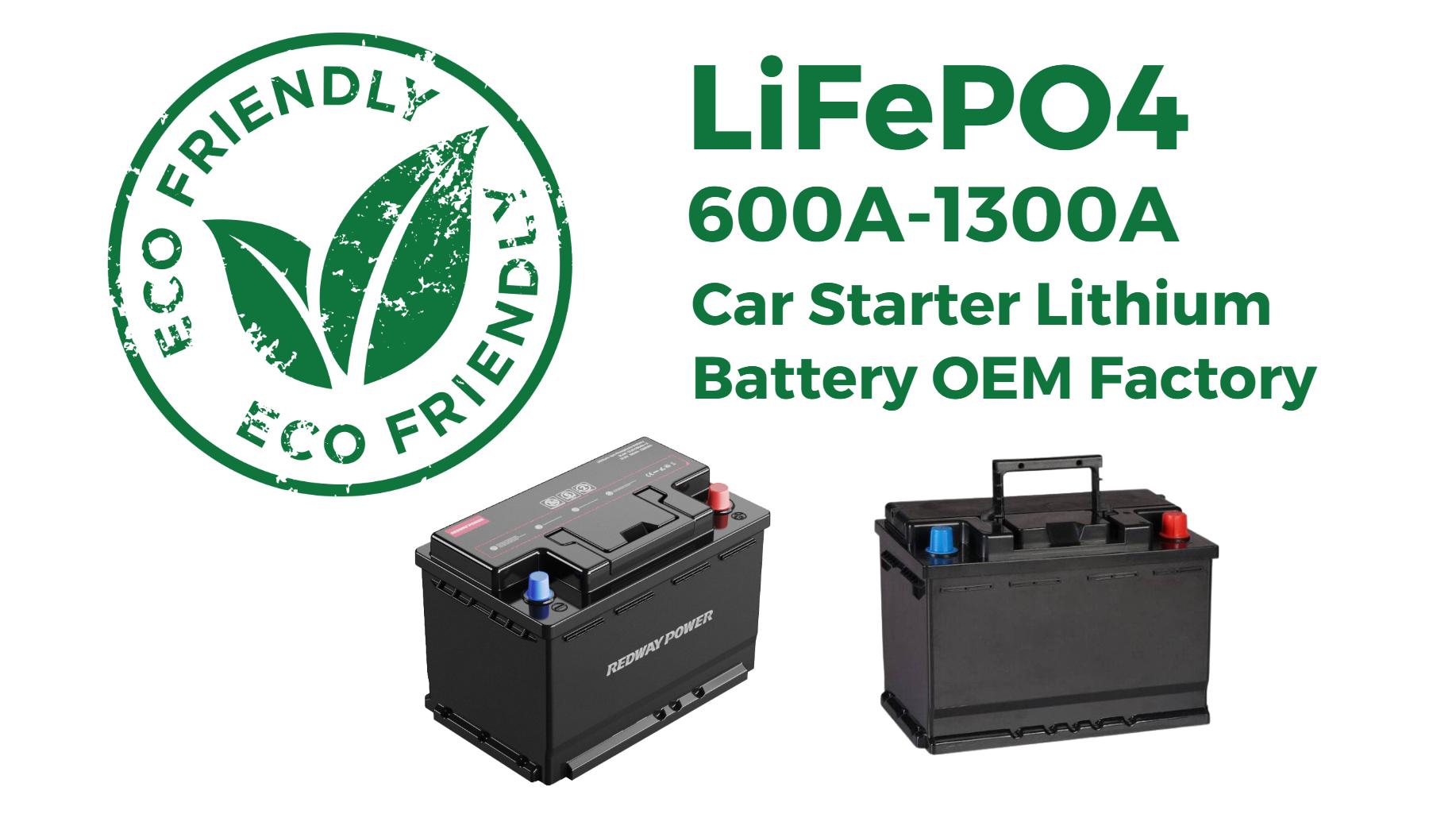
LiFePO4 car starter batteries promote green energy through superior efficiency, long service life, and non-toxic chemistry. They reduce carbon emissions, minimize waste, and integrate easily with renewable energy systems. Their high recyclability, lightweight structure, and durability make them an eco-friendly solution for modern vehicles. Redway ESS designs LiFePO4 batteries optimized for sustainable automotive and industrial applications.
How Do LiFePO4 Batteries Reduce Carbon Footprints in Transportation?
LiFePO4 batteries significantly reduce transportation-related emissions by improving energy efficiency and reducing fossil fuel dependence. Their lightweight construction decreases vehicle load, while high charge efficiency minimizes energy loss. Compared with lead-acid batteries, LiFePO4 technology reduces total lifecycle CO₂ emissions by up to 25%. Fleet operators experience enhanced reliability, lower maintenance costs, and improved energy efficiency in commercial and urban fleets.
| Metric | LiFePO4 | Lead-Acid |
|---|---|---|
| Weight (kg per kWh) | 2.3 | 6.8 |
| Charge Efficiency | 99% | 85% |
| CO₂ per kWh (kg) | 75 | 110 |
Redway ESS LiFePO4 starter batteries provide powerful cranking performance with reduced environmental impact, making them ideal for green mobility initiatives.
What Makes LiFePO4 Chemistry Eco-Friendly Compared to Lead-Acid?
LiFePO4 batteries use non-toxic materials such as iron phosphate and lithium salts, avoiding harmful substances like lead or sulfuric acid. This reduces soil and water contamination risks. They last up to eight times longer than lead-acid batteries, lowering the demand for manufacturing and disposal. With up to 95% recyclability, LiFePO4 technology supports a sustainable circular economy while maintaining excellent safety and stability.
How Do Longer Lifespans Support Sustainable Energy Systems?
LiFePO4 batteries can last between 2,000 and 5,000 charge cycles, compared to only 500–1,000 for lead-acid batteries. This longevity minimizes resource extraction and waste generation by up to 300% over a decade. Their resilience under extreme temperatures ensures consistent performance, reducing replacement frequency. By extending operational life, LiFePO4 batteries lower costs and strengthen the sustainability of energy systems.
Can LiFePO4 Starter Batteries Integrate With Renewable Energy Grids?
Yes. LiFePO4 starter batteries are fully compatible with renewable systems such as solar and wind energy through bidirectional inverter technology. They efficiently store excess renewable energy and deliver reliable power for automotive use. Their 98% round-trip efficiency makes them ideal for hybrid vehicle-to-grid (V2G) applications. Redway ESS provides optimized LiFePO4 solutions that enhance both vehicle performance and renewable energy storage.
| Application | Efficiency | Benefits |
|---|---|---|
| Solar EV Charging | 98% | Reduced energy loss, off-grid operation |
| Vehicle-to-Grid (V2G) | 95–98% | Bidirectional energy flow, improved grid stability |
What Recycling Innovations Exist for LiFePO4 Components?
Modern recycling techniques enable recovery rates of up to 99% for key LiFePO4 components. Hydrometallurgical methods reclaim lithium and iron phosphate efficiently, while AI-based sorting enhances material purity. Solvent extraction allows 97% recovery from electrolytes, reducing landfill waste and raw material demand. Redway ESS integrates recyclable LiFePO4 designs to ensure environmental responsibility throughout the product lifecycle.
| Material | Recovery Rate | Reuse Potential |
|---|---|---|
| Lithium | 99% | Cathode production |
| Iron Phosphate | 98% | Fertilizer and battery production |
| Copper | 100% | Electrical wiring |
How Do Government Policies Accelerate LiFePO4 Adoption?
Government incentives and sustainability mandates worldwide are accelerating the adoption of LiFePO4 batteries. The U.S. Inflation Reduction Act provides tax credits for lithium battery systems, while China’s GB/T 34015-2020 standard promotes recycled content usage. The European Union’s upcoming ban on lead-acid starters in electric vehicles by 2026 further boosts LiFePO4 demand. These policies collectively enhance global green energy transitions, benefiting manufacturers like Redway ESS.
Redway ESS Expert Views
“LiFePO4 technology is reshaping sustainable mobility and renewable energy integration. Its exceptional thermal stability, long cycle life, and superior charging efficiency make it one of the most dependable green power sources. At Redway ESS, we are committed to advancing LiFePO4 solutions that reduce carbon impact, improve operational efficiency, and support a cleaner, more resilient energy future.”
Conclusion
LiFePO4 car starter batteries play a vital role in promoting green transportation and clean energy. Their efficiency, longevity, and non-toxic chemistry make them a sustainable choice over traditional lead-acid batteries. Redway ESS continues to lead the shift toward eco-friendly energy storage with advanced LiFePO4 solutions designed for automotive, industrial, and renewable applications—delivering reliable power and environmental responsibility.
FAQs
Are LiFePO4 starters compatible with all vehicles?
Most modern vehicles support LiFePO4 batteries when equipped with appropriate voltage regulation. Always follow manufacturer recommendations.
How do cold climates affect LiFePO4 performance?
LiFePO4 batteries retain up to 80% capacity at -20°C. Premium models often include integrated heating for dependable performance in cold environments.
What is the cost comparison over ten years?
Although initial costs are higher, LiFePO4 batteries can provide up to 60% total cost savings over ten years due to longer life and lower maintenance.
How recyclable are LiFePO4 batteries?
Up to 95% of LiFePO4 battery materials are recoverable and reusable, significantly reducing waste and raw material demand.
Can LiFePO4 batteries work with solar or wind systems?
Yes. Their high efficiency and deep-cycle capability make them ideal for hybrid, renewable, and off-grid energy applications.