
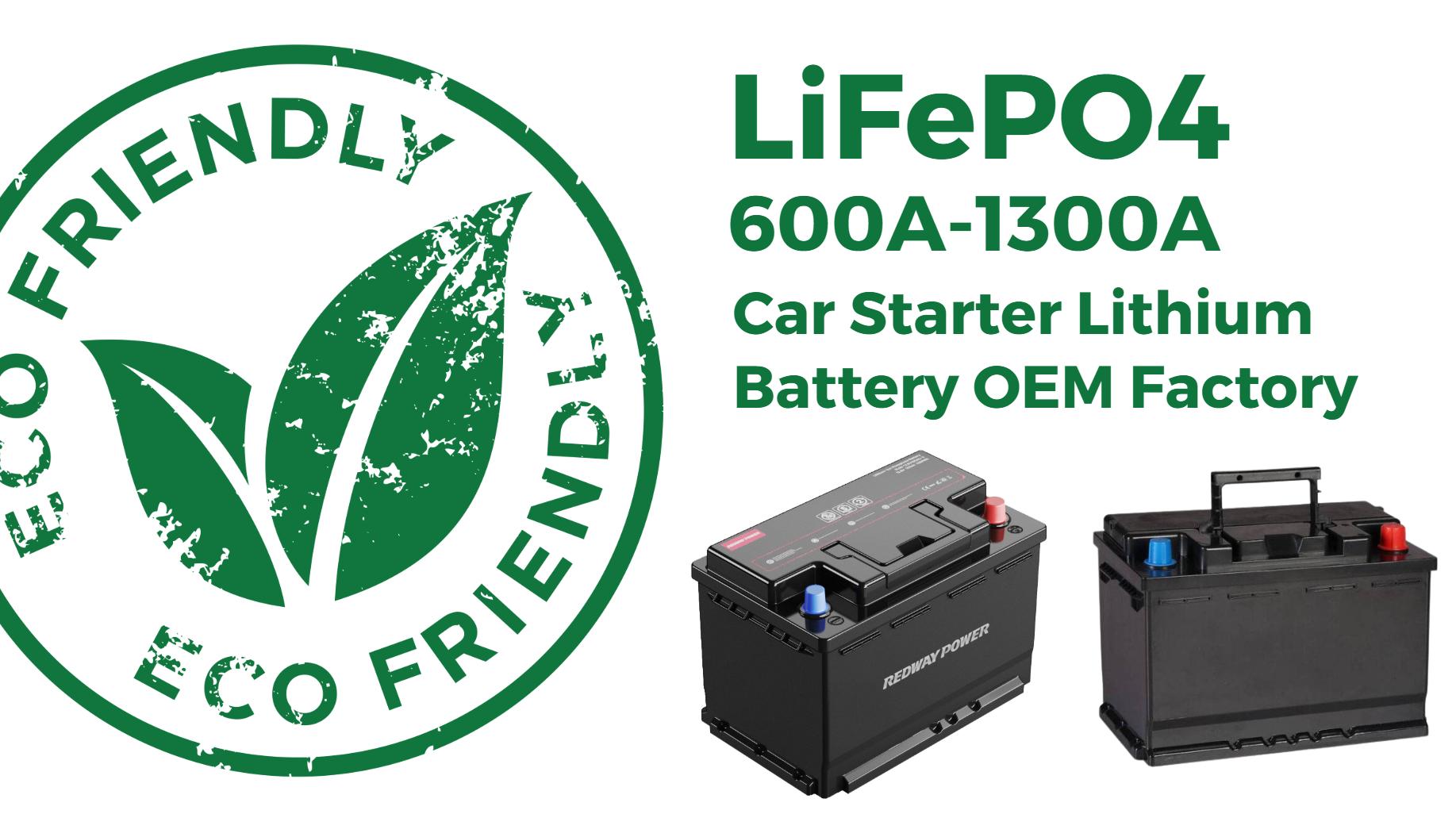
What Are the Environmental Benefits of LiFePO4 Car Starter Batteries?
LiFePO4 (lithium iron phosphate) car starter batteries offer a cleaner, longer-lasting, and safer energy solution. They eliminate toxic materials such as lead and acid, reduce carbon emissions, and achieve up to 95% recyclability. With lifespans 4–10 times longer than lead-acid batteries, they minimize waste, improve energy efficiency, and support renewable integration across the automotive industry.
How Does LiFePO4 Chemistry Reduce Toxic Waste Compared to Lead-Acid?
LiFePO4 batteries are environmentally superior because they contain no lead, acid, or hazardous heavy metals. Unlike lead-acid batteries, which risk soil and water contamination, LiFePO4 chemistry remains stable and non-toxic, reducing the potential for environmental damage even after disposal. Their phosphate-based cathode is inert under most environmental conditions, preventing the release of harmful leachates.
A study by the U.S. EPA found LiFePO4 disposal sites contain 89% fewer heavy metal residues compared to lead-acid battery sites. Manufacturers are also developing biodegradable separators to further reduce the ecological footprint. Redway ESS integrates this eco-safe chemistry into its LiFePO4 starter battery range to promote clean energy and safer recycling practices.
| Battery Type | Toxic Components | Environmental Risk |
|---|---|---|
| LiFePO4 | None (non-toxic iron phosphate) | Minimal |
| Lead-Acid | Lead, Sulfuric Acid | High (toxic leachate risk) |
Why Do LiFePO4 Batteries Last Longer, Reducing Replacement Frequency?
LiFePO4 batteries deliver up to 5,000 charge cycles—ten times more than lead-acid alternatives. Their robust olivine crystal structure resists degradation, maintaining over 80% capacity even after thousands of cycles. This longevity reduces replacement frequency by 80%, lowering raw material demand and waste generation.
Research from the National Renewable Energy Lab reveals that switching to LiFePO4 technology can cut battery-related waste by 60% across a 15-year vehicle lifecycle. Commercial fleets using Redway ESS LiFePO4 batteries report up to 73% fewer replacements, demonstrating how durability directly supports sustainability.
| Battery Type | Average Cycle Life | Replacement Interval | Material Savings |
|---|---|---|---|
| LiFePO4 | 2,000–5,000 cycles | Every 8–10 years | 18 tons saved |
| Lead-Acid | 200–500 cycles | Every 2–3 years | None |
How Do LiFePO4 Batteries Improve Energy Efficiency in Vehicles?
LiFePO4 batteries achieve 95–98% energy efficiency, significantly outperforming lead-acid batteries (70–85%). This high efficiency reduces alternator strain in combustion engines, improving fuel economy by 3–5%. For electric vehicles, faster charging (1–2 hours) and deeper discharge capabilities enhance overall range and performance.
Their low self-discharge rate (2–3% monthly) also minimizes standby energy loss. Redway ESS optimizes this efficiency in its LiFePO4 starter batteries, allowing users to benefit from consistent voltage, longer operational life, and lower lifetime energy costs.
What Makes LiFePO4 Batteries More Recyclable Than Traditional Options?
LiFePO4 batteries achieve up to 98% material recovery, surpassing the 80% rate typical of lead-acid batteries. Their composition—non-toxic iron phosphate, graphite, aluminum, and copper—simplifies disassembly and material separation. Modern recycling methods, including closed-loop recovery, minimize emissions and reduce energy use by 40% compared to lead-acid recycling.
Redway ESS participates in sustainable recycling programs that promote the recovery of valuable materials while eliminating harmful byproducts like sulfur dioxide. This closed-loop approach aligns with global circular economy goals, reducing lifecycle emissions and conserving resources.
Can LiFePO4 Batteries Withstand Extreme Temperatures Without Efficiency Loss?
LiFePO4 batteries maintain reliable performance across -20°C to 60°C, with less than 15% capacity loss in extreme conditions. In comparison, lead-acid batteries suffer over 50% performance decline in similar environments. This thermal resilience ensures reliable starts in cold climates and prevents overheating in hot weather.
Redway ESS designs its LiFePO4 car starter batteries to operate efficiently in diverse conditions, reducing the need for auxiliary cooling systems and lowering energy consumption by up to 12% in extreme environments.
How Do LiFePO4 Batteries Support Renewable Energy Integration in Transportation?
LiFePO4’s high round-trip efficiency (94–97%) makes them ideal for vehicle-to-grid (V2G) systems. These batteries can store renewable energy during off-peak hours and release it during peak demand, supporting energy balance and grid stability.
For instance, Redway ESS integrates renewable-compatible technology in its battery systems, allowing vehicles to serve as mobile energy storage units. This supports solar- or wind-based charging infrastructure, reducing fossil fuel dependency and promoting cleaner transportation ecosystems.
Redway ESS Expert Views
“At Redway ESS, we view LiFePO4 technology as the cornerstone of sustainable mobility. By combining non-toxic materials, extended lifespans, and near-complete recyclability, our batteries reduce lifecycle emissions by more than 60%. Beyond performance, we’re focused on designing batteries that support renewable integration and circular economy principles—powering progress with environmental responsibility.”
Conclusion
LiFePO4 car starter batteries redefine automotive sustainability by combining safety, durability, and environmental stewardship. With longer lifespans, exceptional recyclability, and superior efficiency, they significantly reduce waste, emissions, and energy consumption. Redway ESS continues to lead in this transformation, offering LiFePO4 solutions that advance cleaner mobility and a greener future.
FAQs
Q1: How long do LiFePO4 car starter batteries typically last?
They generally last 8–10 years, compared to 2–3 years for lead-acid batteries, making them a long-term sustainable investment.
Q2: Are LiFePO4 starter batteries more expensive upfront?
Yes, the initial cost is higher, but total lifetime costs are about 60% lower due to longer service life and reduced maintenance.
Q3: Can LiFePO4 batteries be recycled easily?
Yes, they are 95–98% recyclable through specialized lithium recycling facilities, which are expanding globally.
Q4: Do LiFePO4 batteries perform well in cold weather?
Absolutely. They maintain over 80% capacity at -20°C, offering reliable ignition even in freezing climates.
Q5: Why choose Redway ESS LiFePO4 batteries?
Redway ESS offers advanced OEM LiFePO4 batteries designed for durability, environmental safety, and renewable energy compatibility—ideal for vehicles seeking sustainable, high-performance power solutions.