
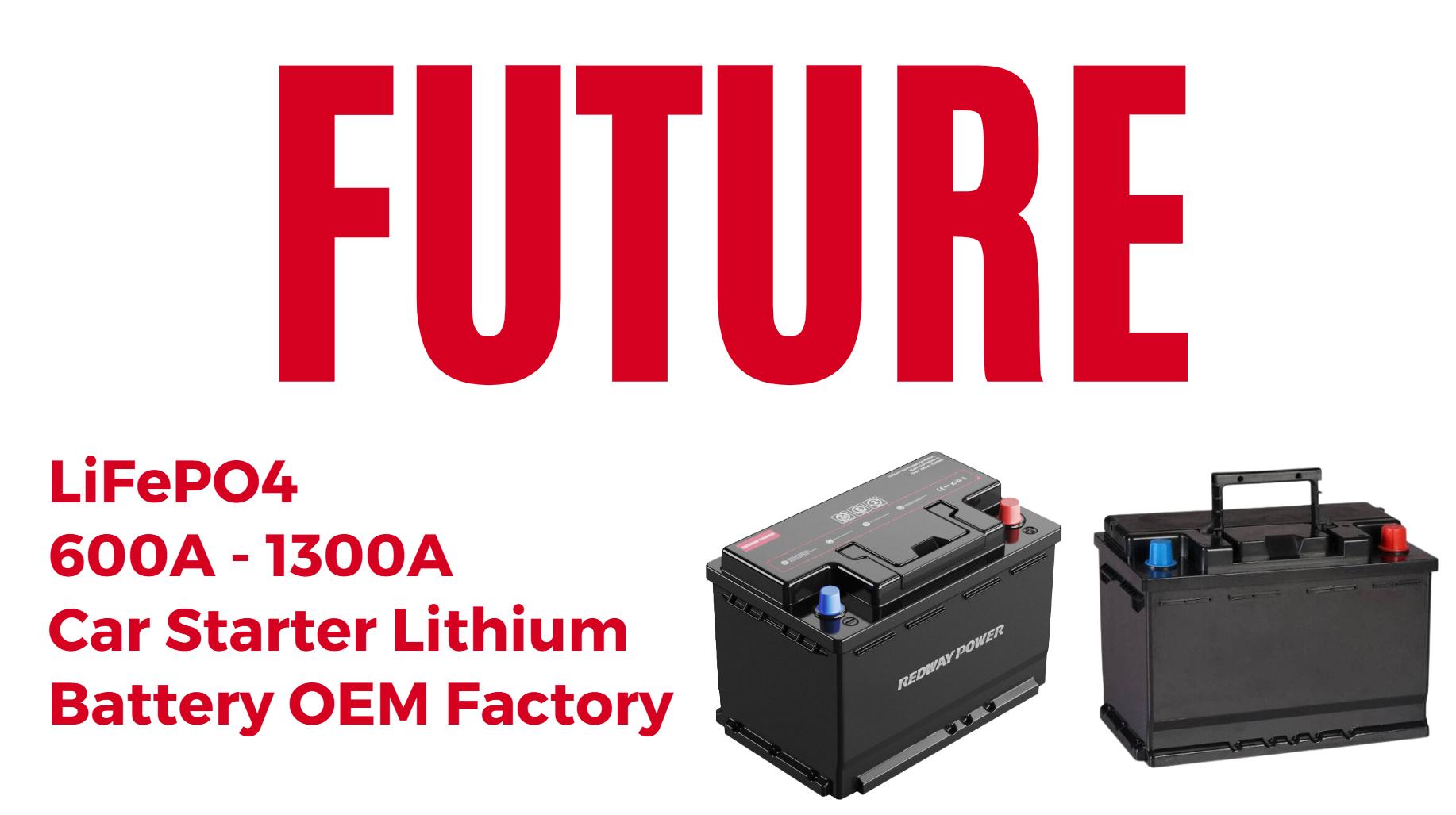
Why Are LiFePO4 Batteries a Sustainable Option for Vehicles?
LiFePO4 batteries offer a sustainable and efficient energy solution for vehicles through their long lifespan, superior safety, and environmental compatibility. Their non-toxic chemistry, recyclability, and ability to perform across a wide temperature range make them ideal for automotive, industrial, and recreational use. Redway ESS provides high-performance LiFePO4 batteries that combine durability, efficiency, and eco-conscious design.
How Do LiFePO4 Batteries Compare to Traditional Lead-Acid Batteries?
LiFePO4 batteries greatly outperform traditional lead-acid types in energy efficiency, operational lifespan, and environmental safety. With 3,000–5,000 charge cycles versus 300–500 for lead-acid, they last up to five times longer. Their energy density ranges between 90–120 Wh/kg, compared to 30–50 Wh/kg for lead-acid, while their charge efficiency can reach 95%, reducing power waste and cost.
These batteries are also maintenance-free and operate efficiently from -20°C to 60°C. Lead-acid batteries, by contrast, require frequent maintenance and contain hazardous materials like lead and acid that pose ecological risks.
| Feature | LiFePO4 | Lead-Acid |
|---|---|---|
| Cycle Life | 3,000–5,000 | 300–500 |
| Energy Density | 90–120 Wh/kg | 30–50 Wh/kg |
| Charge Efficiency | 95% | 70–85% |
Redway ESS lithium batteries for forklifts and vehicles showcase these advantages, ensuring long-lasting, maintenance-free energy performance for both commercial and personal transportation systems.
What Makes LiFePO4 Chemistry Environmentally Friendly?
The environmental benefits of LiFePO4 batteries stem from their iron-phosphate chemistry, which eliminates the need for cobalt and nickel. This reduces the ecological footprint of mining while promoting ethical material sourcing. Manufacturing LiFePO4 batteries emits up to 30% less CO₂ compared to traditional lithium-ion alternatives, making them more sustainable in production and use.
More than 90% of LiFePO4 battery materials can be recycled through advanced hydrometallurgical processes. Current recycling methods can recover up to 98% of lithium and other components, helping build a closed-loop manufacturing system. Recycled iron phosphate also lessens dependency on new mining activities, aligning with global sustainability goals.
Can LiFePO4 Batteries Integrate With Solar-Powered Vehicle Systems?
LiFePO4 batteries are ideal for integration with solar-powered systems due to their wide voltage range (2.5–3.65V per cell) and high compatibility with renewable energy inputs. They perform efficiently with photovoltaic systems and support 98% round-trip efficiency when managed by advanced Battery Management Systems (BMS) that optimize charging using MPPT (Maximum Power Point Tracking) technology.
This makes them a top choice for off-grid vehicles and green fleets. Redway ESS offers solar-compatible LiFePO4 batteries that enable efficient electric vehicle charging, reduce energy loss, and extend battery service life—all while promoting clean mobility and renewable energy adoption.
What Safety Features Prevent LiFePO4 Battery Failures in Vehicles?
Safety is a core strength of LiFePO4 technology. These batteries include multiple integrated protections, such as thermal shutdown separators, nanoscale ceramic coatings to prevent dendrite growth, and three-layer systems featuring cell fuses, vents, and flame-retardant electrolytes.
Failure rates for LiFePO4 batteries are as low as 0.001%, making them among the safest energy storage options available. Redway ESS incorporates these protective systems into its automotive and industrial batteries, ensuring stable, secure, and maintenance-free operation even in demanding conditions.
How Does Cold Weather Affect LiFePO4 Battery Performance?
Unlike other chemistries, LiFePO4 batteries maintain about 80% of their rated capacity at -20°C, compared to only 40% for lead-acid models. Advanced designs include built-in self-heating systems that precondition the battery for optimal performance with minimal energy use.
Additionally, graphene-enhanced heat spreaders and phase-change materials help stabilize internal temperatures and improve cold-weather efficiency. These attributes make LiFePO4 batteries suitable for vehicles and machinery operating in challenging climates.
| Temperature | LiFePO4 Capacity Retention | Lead-Acid Capacity Retention |
|---|---|---|
| 25°C | 100% | 100% |
| -20°C | ~80% | ~40% |
Environmental Benefits of LiFePO4 Batteries
LiFePO4 batteries provide several sustainability advantages that contribute to cleaner production and reduced waste:
-
No toxic materials: Free from lead, nickel, or cobalt, these batteries eliminate environmental hazards associated with mining and disposal.
-
High recyclability: The materials used can be recovered efficiently, supporting a circular economy and minimizing landfill waste.
-
Reduced resource consumption: Their long lifespan decreases replacement frequency, reducing overall material demand and energy use in production.
These combined benefits make LiFePO4 batteries a key solution for sustainable energy transition in transport and industrial applications.
Redway ESS Expert Views
“LiFePO4 batteries represent a major step forward in sustainable mobility and industrial electrification. Their extended cycle life, stable chemistry, and recyclability position them as the foundation for a cleaner energy future. At Redway ESS, we’ve seen our batteries reduce emissions, enhance fleet reliability, and support second-life use in grid applications—delivering lasting value beyond transportation.” – Redway ESS Technical Team
Conclusion
LiFePO4 batteries are redefining vehicle sustainability through durability, energy efficiency, and environmental responsibility. Their superior safety, recyclability, and long lifespan reduce operational costs and ecological impact. Redway ESS continues to lead this transformation by delivering innovative OEM lithium solutions for forklifts, vehicles, and renewable systems—powering a greener and more reliable energy future.
FAQs
Are LiFePO4 batteries heavier than other lithium types?
They are 15–20% heavier than NMC batteries but remain up to 60% lighter than comparable lead-acid batteries, offering the ideal balance of power and portability.
Do LiFePO4 batteries need special chargers?
They work with most lithium chargers, but using a CC-CV charger specifically designed for LiFePO4 chemistry optimizes performance and extends cycle life.
How long do LiFePO4 vehicle batteries last?
They typically provide between 3,000 and 5,000 cycles—equating to 10–15 years of dependable use, far exceeding the lifespan of lead-acid alternatives.
Can LiFePO4 batteries be recycled?
Yes. More than 95% of materials can be reclaimed, reducing the demand for new resources and minimizing environmental waste.
Are LiFePO4 batteries suitable for extreme climates?
Yes. They maintain consistent performance from -20°C to 60°C and include advanced temperature management for reliable operation in all weather conditions.