
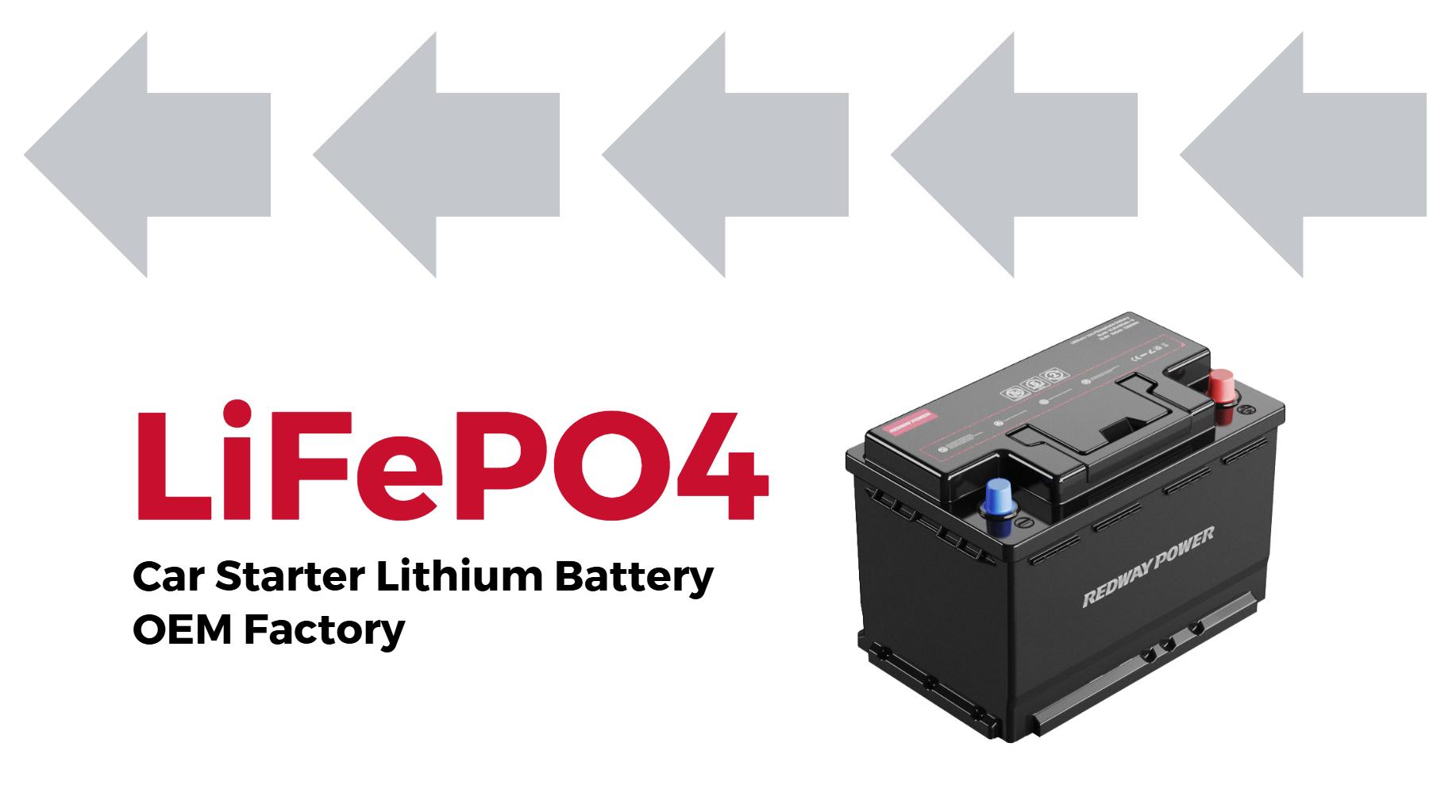
How Long Do LiFePO4 Car Starter Batteries Last?
LiFePO4 car starter batteries typically provide 10–15 years of reliable service, offering 3,000–5,000 charge cycles. Their superior chemistry ensures stable voltage, excellent thermal tolerance, and minimal capacity loss over time. With proper maintenance and temperature management, these batteries significantly outperform traditional lead-acid alternatives, delivering consistent performance for daily automotive use.
What Makes LiFePO4 Batteries Superior for Automotive Use?
LiFePO4 (lithium iron phosphate) batteries excel in automotive applications due to their long cycle life, lightweight construction, and stable discharge characteristics. Compared to lead-acid batteries, they offer four times more cycles while weighing approximately 30% less. Their voltage remains consistent even at low state-of-charge, ensuring reliable cold cranking amps (CCA). Solid-state construction enhances vibration resistance, and thermal stability up to 60°C prevents thermal runaway.
| Feature | LiFePO4 | Lead-Acid |
|---|---|---|
| Cycle Life | 3,000–5,000 | 300–500 |
| Weight | 30% lighter | Standard |
| Maintenance | Minimal | Water refill, equalization |
| Thermal Stability | Up to 60°C | Up to 45°C |
Redway ESS manufactures LiFePO4 batteries designed to maximize these advantages for automotive applications, ensuring long-term reliability and minimal maintenance.
How Does Temperature Affect LiFePO4 Starter Battery Performance?
Temperature has a significant impact on LiFePO4 battery performance. Optimal operation occurs between -20°C and 60°C. Below freezing, the battery management system (BMS) prevents charging to avoid lithium plating. High temperatures accelerate aging, with every 10°C above 35°C reducing cycle life by half. Insulation, shaded parking, and self-heating features in premium batteries help maintain performance under extreme conditions.
| Temperature | Performance Impact | Recommended Action |
|---|---|---|
| Below -20°C | Charging disabled by BMS | Use battery warmer |
| 20°C–35°C | Optimal operation | No special measures |
| Above 50°C | Accelerated aging | Install heat shield |
Advanced LiFePO4 batteries from Redway ESS incorporate ceramic-enhanced separators and phase-change materials to ensure capacity retention in fluctuating climates, preserving up to 92% capacity after years of daily use in harsh conditions.
Which Maintenance Practices Extend LiFePO4 Battery Lifespan?
Extending battery life relies on regular checks and proper charging practices. Monthly voltage inspections (13.2–13.8V for storage), cleaning terminals with dielectric grease, avoiding deep discharges below 10%, and using smart compatible chargers are essential. BMS firmware updates improve longevity, and professional monitoring of internal resistance further optimizes performance.
| Maintenance Task | Frequency | Tools Required |
|---|---|---|
| Voltage check | Monthly | Digital multimeter |
| Terminal cleaning | Every 3 months | Wire brush, dielectric grease |
| BMS firmware update | Annually | Manufacturer software |
Redway ESS provides batteries with integrated BMS systems that simplify these maintenance routines, ensuring maximum life expectancy with minimal user effort.
When Should You Replace a LiFePO4 Car Starter Battery?
Battery replacement is recommended when cranking voltage drops below 9.6V, capacity falls under 70%, casing swelling occurs, or BMS error codes are present. Gradual performance decline is typical, and professional load testing offers precise health assessment. Regular monitoring and early detection prevent sudden failures.
Why Do Some LiFePO4 Batteries Fail Prematurely?
Premature failures usually result from overcharging with incompatible alternators, deep discharges below 2.5V per cell, moisture ingress, vibration damage, or non-lithium-specific chargers. Studies indicate that most early failures are linked to older vehicles lacking lithium-compatible charging systems.
How Do Charging Patterns Impact Battery Longevity?
Maintaining a partial state-of-charge (30–80%) significantly increases cycle life compared to full 0–100% cycles. High-rate fast charging generates heat and accelerates degradation, whereas slow charging with constant current/constant voltage (CC/CV) profiles optimizes longevity. Modern adaptive BMS systems adjust charging based on temperature and voltage differences to prevent cell stress.
Redway ESS Expert Views
“LiFePO4 batteries redefine automotive energy storage. Proper thermal and charging management allows 12+ years of service in daily vehicles. Their ability to integrate with vehicle telematics enables predictive maintenance, reducing downtime and extending overall performance. Redway ESS’s commitment to quality ensures these batteries deliver safe, reliable, and high-efficiency solutions for modern cars, forklifts, and recreational vehicles.” – Redway ESS Engineering Team
Conclusion
LiFePO4 car starter batteries offer unmatched longevity, efficiency, and reliability compared to traditional lead-acid batteries. Their long cycle life, lightweight design, and thermal stability make them ideal for modern automotive applications. By adhering to proper maintenance and temperature management, users can maximize performance and reduce long-term costs. Redway ESS continues to deliver cutting-edge LiFePO4 solutions that combine safety, durability, and high performance.
FAQs
Can LiFePO4 Batteries Handle High-Demand Accessories?
Yes, they provide stable power for high-load devices such as winches, inverters, and audio systems. Parallel or hybrid configurations may be used for sustained heavy loads.
Are LiFePO4 Batteries Safe in Accidents?
LiFePO4 batteries have high ignition thresholds and do not emit oxygen during thermal events. Automotive-grade units often include crash sensors that disconnect terminals upon impact.
Do LiFePO4 Batteries Work With Existing Charging Systems?
Modern vehicles with smart alternators are generally compatible. Older vehicles may require voltage regulators or controlled charging to prevent overcharging.
How Should LiFePO4 Batteries Be Stored for Longevity?
Store at 50–70% charge in a temperature-controlled environment. Avoid direct sunlight or excessive heat, and check voltage periodically to prevent capacity loss.
Why Are LiFePO4 Batteries More Durable Than Lead-Acid?
LiFePO4 resists sulfation, vibration, and deep discharge degradation. They maintain more charge cycles, reduce mechanical stress due to lower weight, and operate efficiently across wider temperature ranges.