
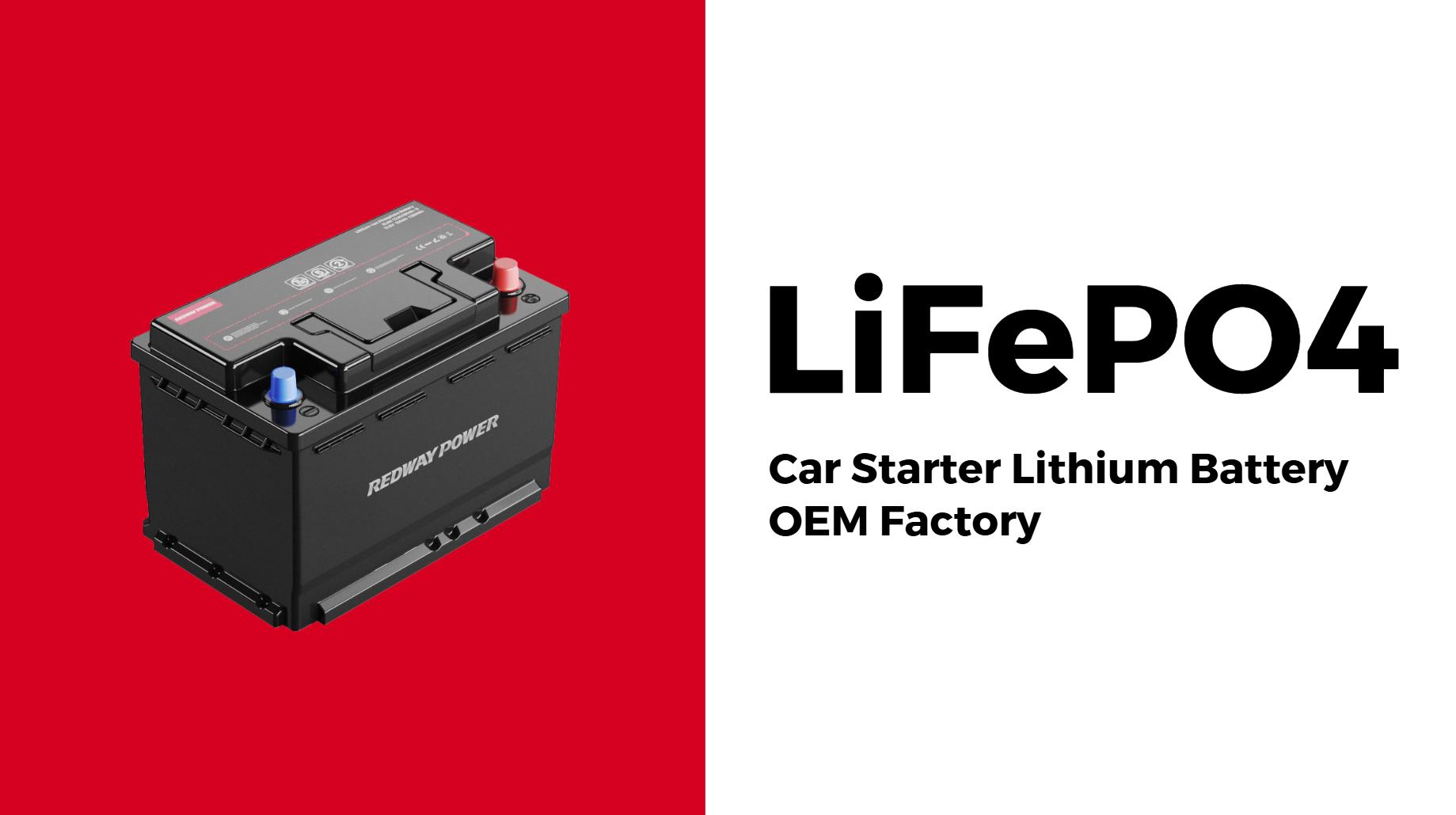
What Factors Should You Consider When Choosing LiFePO4 Batteries?
When selecting LiFePO4 batteries, consider energy capacity, cycle life, safety, cost, temperature range, and system compatibility. Prioritize models with high efficiency, strong warranties, and proven brand reliability. Factors like maintenance requirements and environmental conditions also influence overall performance, longevity, and cost-effectiveness for solar, automotive, or industrial use.
How Does Energy Capacity Affect LiFePO4 Battery Performance?
Energy capacity, measured in ampere-hours (Ah), determines how long a LiFePO4 battery can power your equipment. A higher capacity extends runtime but increases size and weight. Choosing the right capacity depends on total daily energy demand. For solar or off-grid systems, calculate daily power consumption to balance autonomy with practicality.
| Capacity (Ah) | Typical Application | Approx. Runtime* |
|---|---|---|
| 50Ah | Small appliances, lighting | 4–6 hours |
| 100Ah | Car starter, RV, solar backup | 8–12 hours |
| 200Ah+ | Industrial or marine systems | 16–24 hours |
*Varies with load and discharge rate.
Redway ESS recommends selecting a battery capacity 10–20% higher than average daily usage to maintain performance reserves and prevent deep discharges.
Why Is Cycle Life Critical for LiFePO4 Battery Longevity?
Cycle life refers to the number of charge and discharge cycles before the battery’s capacity drops to 80% of its original value. LiFePO4 batteries generally provide 2,000–5,000 cycles, greatly surpassing lead-acid alternatives. A longer cycle life means lower total ownership cost and fewer replacements over time.
To extend lifespan:
-
Avoid deep discharges below 20% capacity.
-
Maintain moderate charge/discharge rates (ideally 0.5C).
-
Store partially charged (50–60%) for extended periods.
Redway ESS integrates advanced Battery Management Systems (BMS) that adapt charging profiles to environmental conditions and usage patterns, enhancing cycle life and long-term reliability.
What Safety Features Make LiFePO4 Batteries Reliable?
LiFePO4 chemistry provides superior thermal stability and non-flammable properties, minimizing fire risk. Core safety features include:
-
BMS protection: Prevents overcharging, over-discharging, and short-circuiting.
-
Temperature control: Prevents overheating during high current loads.
-
Cell balancing: Ensures uniform voltage among cells to avoid damage.
These safety systems make LiFePO4 batteries ideal for high-demand and sensitive applications such as electric vehicles, forklifts, and solar systems. Redway ESS prioritizes UL-certified materials and precise cell balancing technologies to enhance reliability and operational safety.
How Do Temperature Ranges Impact LiFePO4 Efficiency?
Temperature directly affects LiFePO4 performance and longevity. Optimal operation occurs between -20°C and 60°C, but extreme temperatures can reduce efficiency or accelerate wear.
| Temperature Range | Capacity Retention | Recommended Solution |
|---|---|---|
| -20°C to 0°C | 70–80% | Use self-heating or insulated batteries |
| 0°C to 45°C | 95–100% | Standard ventilation |
| Above 45°C | 80–90% | Install active cooling systems |
Redway ESS offers LiFePO4 batteries with integrated self-heating modules and corrosion-resistant terminals, ensuring stable performance even in harsh conditions like sub-zero climates or hot industrial zones.
Which Cost Factors Influence LiFePO4 Battery Investments?
While initial purchase prices are higher than lead-acid options, LiFePO4 batteries deliver better long-term returns due to:
-
Longer lifespan (up to 10 years or more)
-
Minimal maintenance
-
Higher round-trip efficiency (≈95%)
Consider total lifecycle costs rather than upfront price. Redway ESS provides OEM clients with detailed cost-performance analyses to optimize investment value and energy efficiency for commercial and industrial installations.
Does Compatibility With Existing Systems Matter?
Yes. LiFePO4 batteries must align with your system’s voltage, inverter, and charger specifications. Incorrect pairing can cause undercharging, damage, or reduced efficiency. Most 12V systems require a charge voltage of 14.4–14.6V. Before retrofitting, verify inverter compatibility with lithium charging profiles and ensure the BMS communicates properly with controllers.
Redway ESS engineers provide tailored OEM solutions that integrate seamlessly into existing solar, vehicle, or hybrid systems.
Are LiFePO4 Batteries Maintenance-Free?
LiFePO4 batteries require very little upkeep. Unlike lead-acid units, they need no electrolyte refilling or equalization charging. Routine care includes:
-
Cleaning terminals to prevent corrosion.
-
Monitoring BMS alerts for performance tracking.
-
Storing at 50–60% charge when idle for months.
This simple maintenance approach helps sustain efficiency and operational readiness for years.
What Warranty Terms Should You Look For?
Choose LiFePO4 batteries with warranties covering at least 5–10 years and capacity retention of 70% after 3,000+ cycles. Ensure coverage includes defects, BMS malfunctions, and premature capacity loss. Avoid prorated warranties that decrease compensation over time.
Redway ESS offers extended warranties with factory-backed quality assurance, reflecting its confidence in battery performance and durability.
Redway ESS Expert Views
“The key to reliable LiFePO4 battery operation is system integration. Even the best cells need optimized charge control, temperature regulation, and consistent BMS monitoring. At Redway ESS, we focus on ensuring that every OEM lithium solution is precisely engineered to match real-world energy demands—delivering safety, stability, and long-term value.”
Conclusion
Choosing the right LiFePO4 battery requires balancing energy capacity, cycle life, safety, and system compatibility. Invest in quality batteries with proven BMS protection, robust warranties, and reliable brand support. With proper selection and care, LiFePO4 batteries—such as those by Redway ESS—offer outstanding efficiency, safety, and longevity for vehicles, solar systems, and industrial applications.
FAQs
1. Can LiFePO4 Batteries Be Used in Parallel?
Yes. Parallel connections expand capacity without changing voltage. Use batteries with matching voltage, age, and state of charge for balanced performance.
2. How Do LiFePO4 Batteries Compare to Lead-Acid?
LiFePO4 batteries deliver up to 5× longer lifespan, faster charging, and 95% energy efficiency, making them more cost-effective over time.
3. What Is the Ideal Storage Condition for LiFePO4 Batteries?
Store at 50–60% charge in a cool, dry location. Avoid full discharges and extreme temperatures to preserve capacity.
4. Are LiFePO4 Batteries Safe for Indoor Use?
Yes. With stable chemistry and BMS protection, LiFePO4 batteries can safely operate indoors with proper ventilation.
5. Why Choose Redway ESS for OEM Lithium Batteries?
Redway ESS delivers customized, high-performance LiFePO4 solutions with advanced BMS, exceptional safety standards, and competitive factory pricing, trusted by global OEM clients.